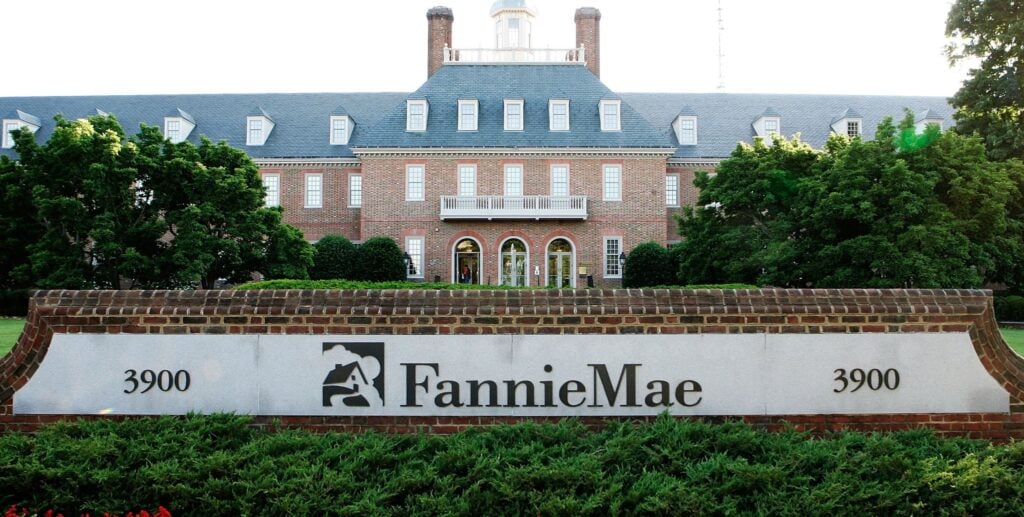
Fannie Mae and Freddie Mac now allow rent and utility payments to influence credit scores, a shift that expands financing options for tenants pursuing rent-to-own deals. The change addresses a longstanding gap in credit assessment. Renters who pay housing costs on time but lack traditional credit history can now build stronger profiles through documented payment records.
For landlords and investors, this opens a wider pool of qualified buyers. Rent-to-own transactions typically involve tenants making monthly payments with a portion credited toward a future purchase. Previous credit scoring models ignored these payments, leaving many renters unable to qualify for mortgages despite years of reliable housing payments.
The policy shift reflects growing recognition that rental payment history signals creditworthiness. Freddie Mac and Fannie Mae, which back roughly half of U.S. mortgages, control lending standards across the industry. Their decision pressures other lenders to adopt similar practices.
For tenants, the benefit is tangible. Building credit through rent payments removes barriers to homeownership and strengthens negotiating position in rent-to-own agreements. For investors, the expansion of eligible buyers increases transaction volume and reduces risk by working with borrowers who demonstrate payment discipline.
This development particularly helps younger buyers and those without established credit records access homeownership pathways that were previously closed.