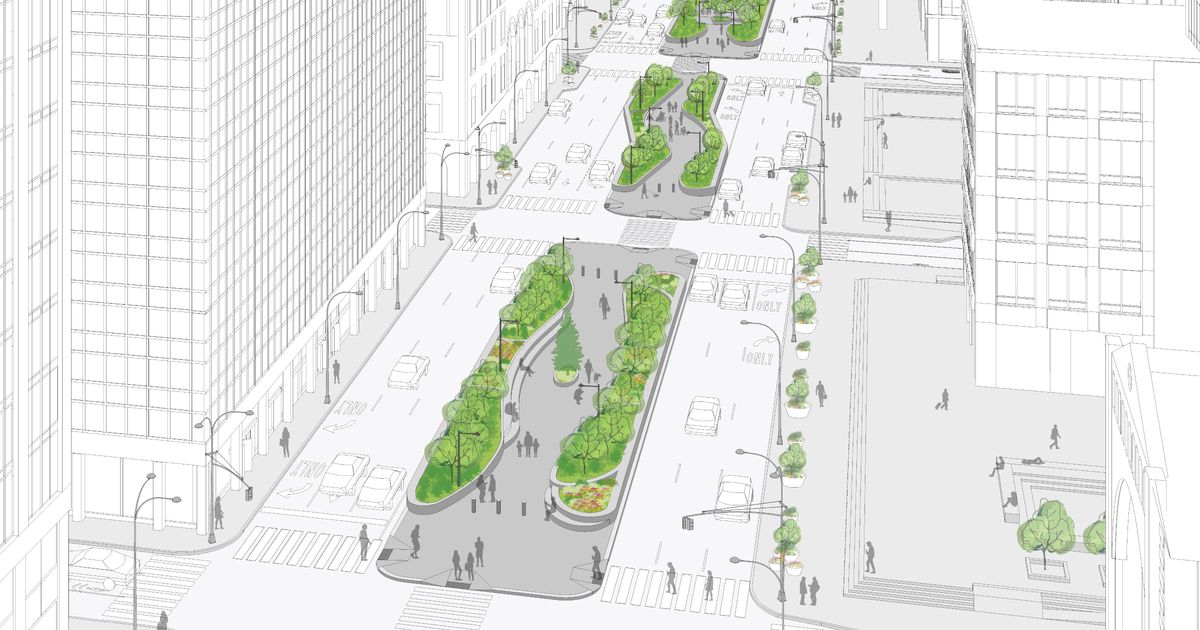
Park Avenue's planned median redesign presents two competing visions for the iconic Manhattan corridor. Both proposals expand seating capacity, addressing longtime complaints about limited gathering space along the prestigious street. The key difference lies in transportation infrastructure.
One plan incorporates a bike lane into the widened median, accommodating the city's growing cycling commuters. The alternative design prioritizes seating without dedicated bike infrastructure, maximizing pedestrian gathering areas instead.
The choice between these proposals reflects a broader tension in urban planning. Cities nationwide grapple with balancing multiple transportation modes and public space uses within limited street real estate. Park Avenue's upgrade offers a concrete example of how design decisions ripple through a neighborhood's character and usability.
The median expansion itself signals investment in the area's public realm. Increased seating transforms Park Avenue from a thoroughfare into a destination where residents and workers can linger. That shift carries economic implications for surrounding retail and hospitality businesses.
Community input will likely shape the final decision. Park Avenue residents, office workers, and commuters each bring different priorities to how the street functions. The bike lane question particularly divides urban constituencies, with cycling advocates pressing for infrastructure while others prioritize pedestrian comfort.
A decision from city officials remains pending as the two proposals undergo review.