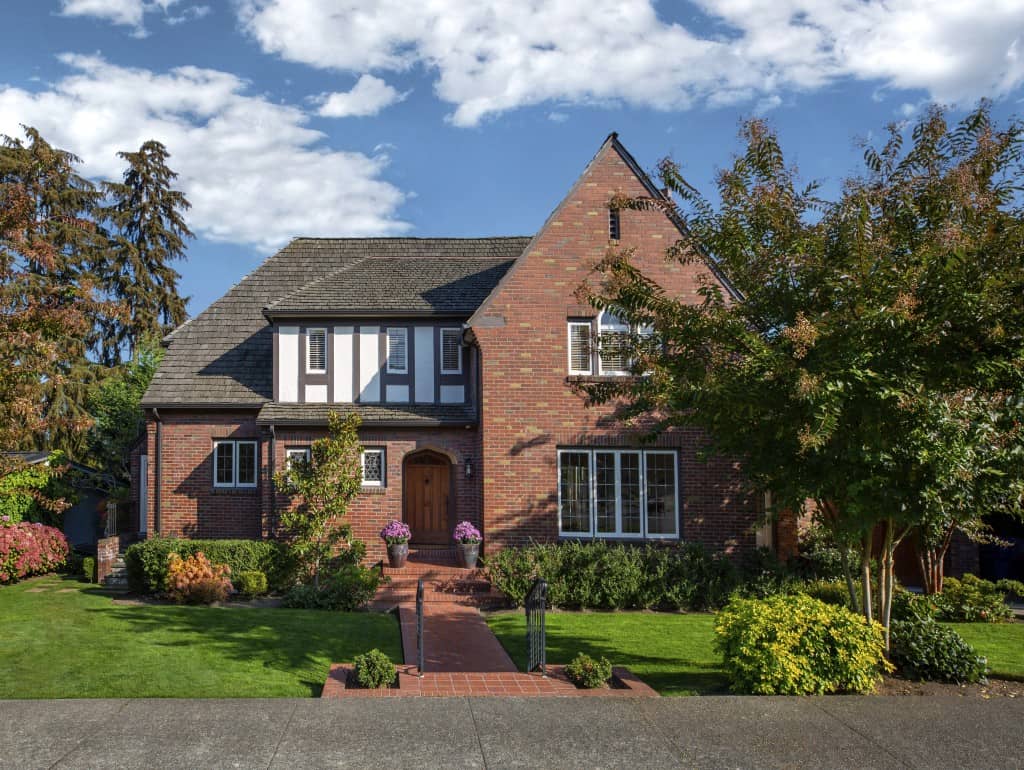
Homeownership doesn't automatically deliver financial independence. The relationship between buying a house and building wealth depends entirely on individual circumstances, timing, and market conditions.
Buying a home commits you to decades of mortgage payments, property taxes, insurance, and maintenance costs. For someone with unstable income, limited cash reserves, or plans to relocate within five years, renting often makes more financial sense. A homeowner with a $400,000 mortgage at 7% interest pays roughly $2,660 monthly before taxes and insurance. That's capital locked into a single, illiquid asset.
Conversely, homeownership builds equity systematically. Principal payments accumulate over time. In appreciating markets, home values rise faster than inflation. A buyer who purchases in Seattle at $500,000 and sells after eight years at $650,000 nets real wealth, assuming holding costs don't consume gains.
The math shifts based on local markets. In high-growth areas like Seattle, Miami, or Austin, appreciation often exceeds costs. In stagnant markets, homeownership becomes purely a lifestyle choice, not an investment.
Renters maintain flexibility to chase higher-paying jobs, invest in stocks or businesses, or avoid being trapped in depreciating neighborhoods. They don't risk foreclosure or get stuck selling at a loss. But they build zero equity and face rising rents.
The critical factor: intention and timeline. Buy only if you plan to stay seven to ten years minimum. Run the numbers. Calculate total ownership costs against potential appreciation. Compare mortgage payments to local rents.
Homeownership works as a wealth-building tool only when purchase prices are reasonable relative to local incomes, when you maintain steady employment, and when you actually stay long enough for equity to accumulate. It's not a financial independence shortcut. It's a deliberate, long-term commitment that pays off only