# High-Inventory Markets Poised for Recovery in Next Real Estate Cycle
Markets drowning in inventory today could flip into sellers' markets within the next cycle, according to real estate demand theory. The pattern suggests that current weak markets with excess supply may represent the best opportunity for contrarian investors and buyers willing to wait out the downturn.
This counterintuitive trend plays out across multiple real estate cycles. Markets that accumulate high inventory during downturns typically experience sharp appreciation once demand returns. The mechanism is straightforward: overbuilding and slow sales create temporary buyer advantage, lowering prices and allowing strategic purchases. When the market inevitably shifts, those early buyers profit from both price appreciation and reduced competition from other inventory.
For buyers, this means high-inventory markets offer negotiating power today. Sellers desperate to move properties often slash prices, extend closing timelines, or accept contingencies they'd never consider in balanced markets. Properties listed in these areas sit longer, giving buyers time to inspect thoroughly and make informed decisions without bidding wars.
Sellers face headwinds now but should recognize their window for exit timing. Holding property in oversupplied markets means ongoing carrying costs with appreciation on pause. Smart sellers in these regions either price aggressively to move inventory or plan for the long hold until the cycle turns.
Landlords in high-inventory markets see rental rates compressed by available units, eating into yield. However, patient capital can acquire below-replacement-cost properties now and benefit from eventual rent growth as inventory tightens during the next expansion phase.
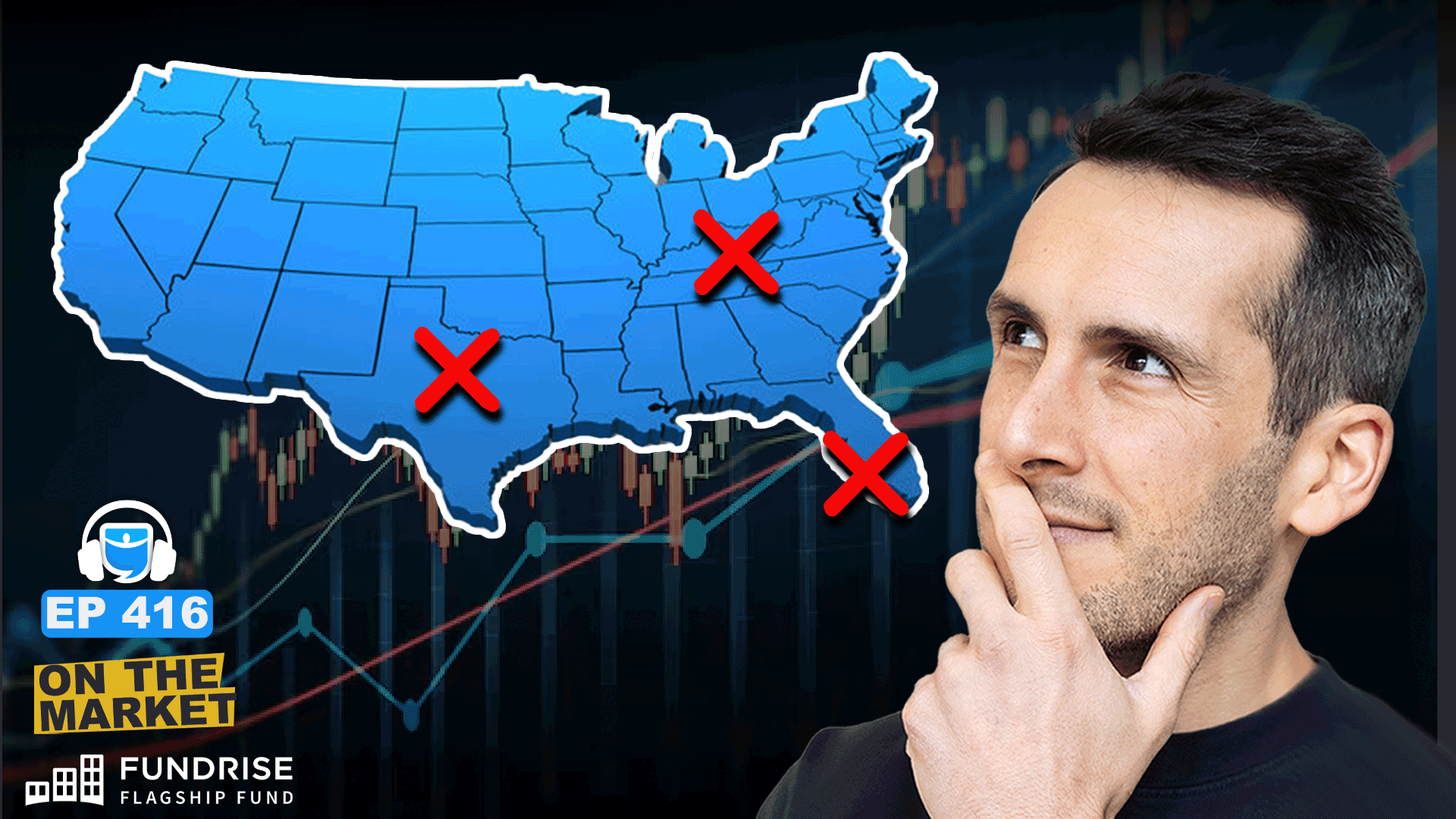
Investors should map which specific metros carry the heaviest inventory relative to historical norms. Markets like Austin, Phoenix, and parts of Florida and California show elevated supply. These represent the highest-probability targets for swing-up recovery. Data shows that markets cycling from 8+ months of supply back to 4-5 months experience 15-