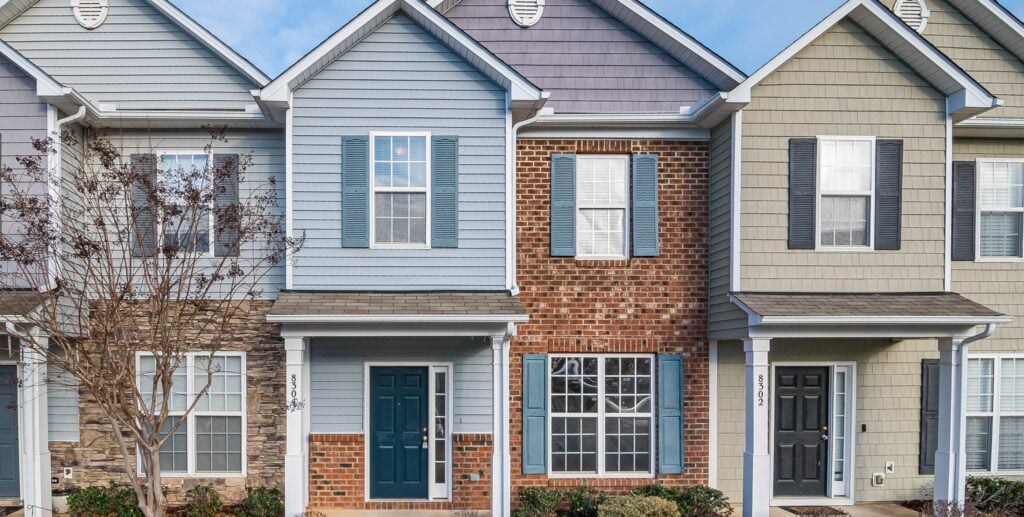
Townhomes are shifting from accidental rentals into deliberate investment plays for cash-flow focused investors. What was once a stepping stone for first-time buyers now attracts serious portfolio builders seeking reliable monthly returns.
The appeal is straightforward. Townhomes occupy a price sweet spot between apartments and single-family homes. They cost less than detached houses but rent for only slightly less, compressing the price-to-rent ratio and improving yield. In markets like Austin, Denver, and Charlotte, investors report 6-8% gross rental yields on townhome acquisitions, compared to 4-5% on comparable single-family homes.
Lower maintenance burden drives the second attraction. Shared walls reduce heating and cooling costs. HOA fees cover roof repairs, exterior upkeep, and landscaping. Landlords manage plumbing and interior systems only. Tenants appreciate this too. Renters paying $1,500-$2,200 monthly for a three-bedroom townhome with updated finishes and minimal yard work show better retention rates than those in single-family homes requiring yard maintenance.
Capital requirements remain accessible. Entry prices range from $200,000 to $400,000 in growth markets, making 20-25% down payments achievable for investors building portfolios. Lenders treat townhomes as mortgageable assets with conventional financing available.
The HOA factor cuts both ways. Monthly fees run $150-$300, reducing net income. Special assessments can spike unexpectedly. Investors must scrutinize reserves and assessment history before buying.
Demand for rental townhomes is rising. Young professionals and small families increasingly prefer renting rather than buying given current rate environments. This drives occupancy and justifies modest rent growth.
For buyers considering owner-occupation, townhomes offer affordability and lower responsibility. For sellers, the