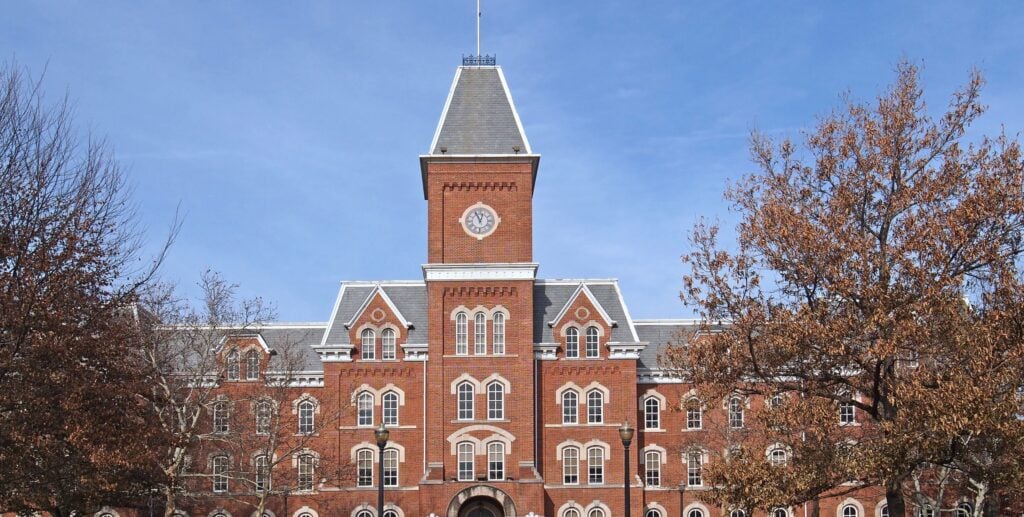
College town rental properties attract seasoned investors because student housing demand creates predictable, year-round tenant turnover and consistent cash flow. Universities anchor local economies, stabilize demand, and generate reliable lease terms tied to academic calendars.
The best college towns for rental investment combine three factors: strong university enrollment, limited student housing supply, and affordable acquisition costs relative to rental income. Markets like Ames, Iowa (Iowa State University), Gainesville, Florida (University of Florida), and Fargo, North Dakota (North Dakota State University) deliver 6% to 8% gross rental yields on single-family homes and multi-unit properties.
For landlords, college towns reduce vacancy risk. Students sign 12-month leases concentrated between August and September. Parents often co-sign leases and guarantee payment. Rents in these markets typically range from $600 to $1,200 per bedroom, depending on proximity to campus and property condition.
Investors benefit from lower purchase prices. A three-bedroom house near a state university costs $150,000 to $250,000 in secondary college towns, compared to $400,000+ in major metro areas. Monthly rents of $1,500 to $2,000 per property translate directly to profit.
Tenants face limited options in college towns. Student housing demand outpaces supply in many markets, pushing rents upward 3% to 5% annually. Off-campus apartments near campus command premiums. Tenants with guarantors get approved faster, but landlords enforce stricter lease terms and higher security deposits.
Sellers of college town properties benefit from steady buyer interest from out-of-state investors. Properties near campus sell within 30 to 45 days on average. Cap rates ranging from 5% to 7% attract institutional investors seeking lower risk than volatile urban markets.
The challenge: