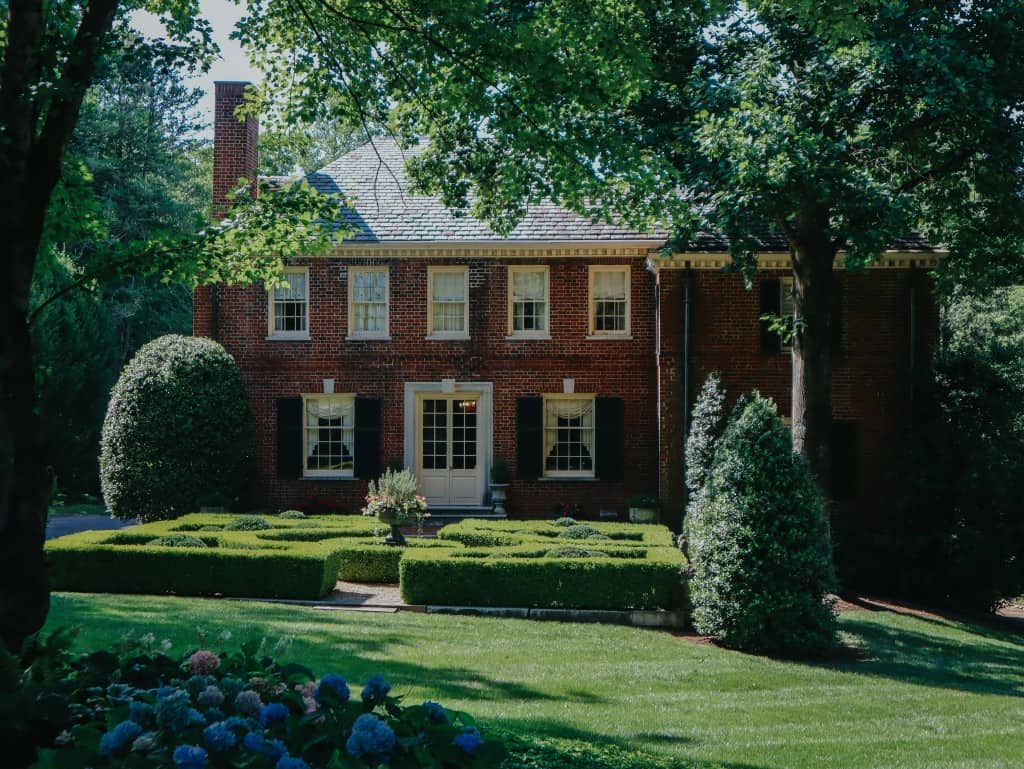
Historic homes span multiple architectural styles and eras, each with distinct preservation requirements. Victorian homes, popular from the 1880s through early 1900s, feature ornate details like wraparound porches and decorative trim that demand careful restoration. Colonial and Federal-style properties, built between the 1600s and 1800s, require attention to original windows, hardware, and interior woodwork. Craftsman bungalows from the early 20th century showcase built-in cabinetry and natural materials needing specialized care.
Preserving original character protects property value and maintains architectural integrity. Buyers should avoid removing or replacing period-appropriate elements like crown molding, hardwood flooring, and exterior siding. Window replacement poses a common pitfall. Original wooden windows should be restored rather than swapped for modern vinyl frames, which destroys authenticity and often violates local historic district guidelines.
Homeowners benefit from tax credits when renovating historic properties. The Federal Historic Preservation Tax Credit covers 20% of qualified restoration expenses on income-producing buildings. Many states and municipalities offer additional incentives for documented preservation work.
Working with contractors experienced in historic restoration proves essential. Standard renovation practices damage irreplaceable materials and craftsmanship. Professional conservators understand period-appropriate paint colors, mortar composition, and repair methods that maintain structural integrity while honoring original design.
Sellers of historic homes attract buyers seeking character and uniqueness. Documented restoration work increases appeal and justifies premium pricing. Properties in established historic districts experience stronger demand, though renovation costs run higher than comparable modern homes.
Tenants renting historic properties enjoy distinctive living spaces, though owners must balance preservation requirements with rental market expectations. Lease negotiations require clarity about what tenants can modify versus what stays protected.
THE BOTTOM LINE: Historic home ownership requires specialized knowledge and investment, but preservation protects asset value,