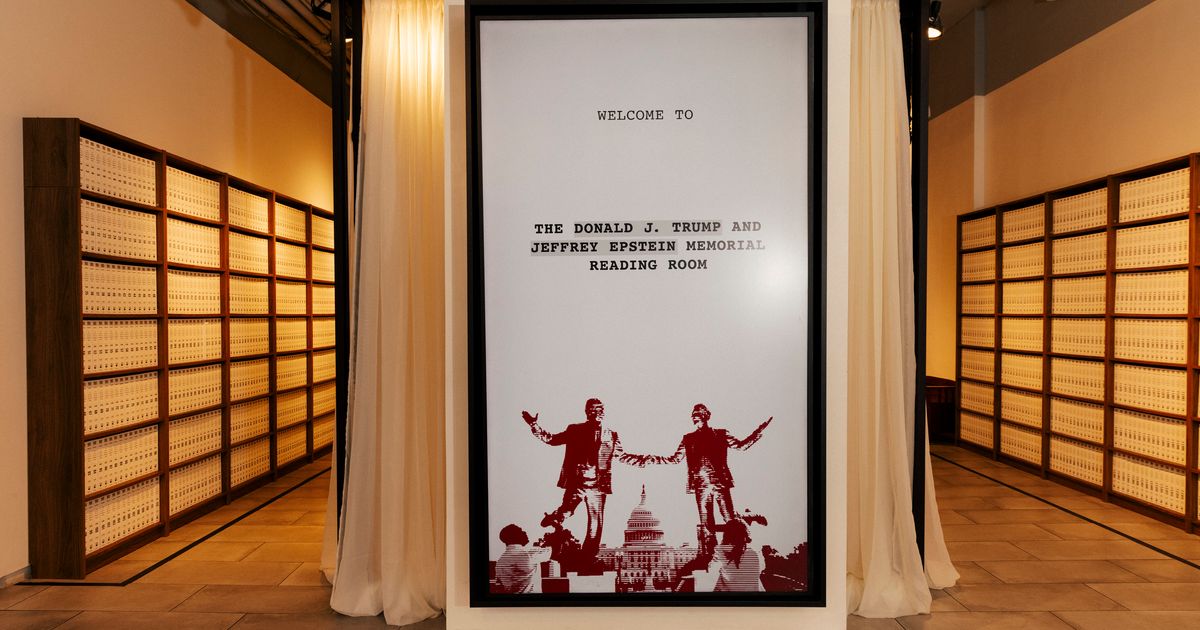
A museum dedicated to documenting Jeffrey Epstein's crimes and victims will open in Tribeca, featuring the complete archive of investigative materials surrounding the financier's case. The institution will house 3.5 million pages of Epstein files, printed and bound into 3,437 volumes, alongside exhibits focused on survivor testimony and the broader networks that enabled his trafficking operation.
The museum's Tribeca location places it in one of Manhattan's most expensive neighborhoods, where average commercial rents exceed $150 per square foot annually. The project reflects growing institutional interest in documenting high-profile criminal cases and their implications for wealth, power, and accountability.
For property owners in the area, the museum represents a tenant with stable institutional backing and long-term lease potential. Tribeca landlords have increasingly sought cultural and educational tenants to bolster neighborhood prestige and foot traffic, particularly as traditional retail faces headwinds. The museum will likely attract visitors, supporting nearby restaurants and retail.
For residents, the addition fits Tribeca's identity as a neighborhood housing both luxury apartments and cultural institutions. However, some residents may voice concerns about the subject matter drawing crowds and media attention to their area.
The archival scope, spanning Epstein's decades of operations, underscores the scale of documentation available for public scrutiny. Survivor advocacy groups have pushed for such repositories to ensure institutional memory of abuse and the systems that protected perpetrators.
This project differs from traditional real estate development. Rather than generating market-rate apartments or commercial office space, it occupies Tribeca real estate for archival and educational purposes. The economics favor landlords seeking long-term, low-churn tenants over rapid revenue optimization.
THE TAKEAWAY: The museum anchors Tribeca's cultural positioning while converting valuable Manhattan commercial space into a permanent historical archive, trading market-rate potential for institutional stability.