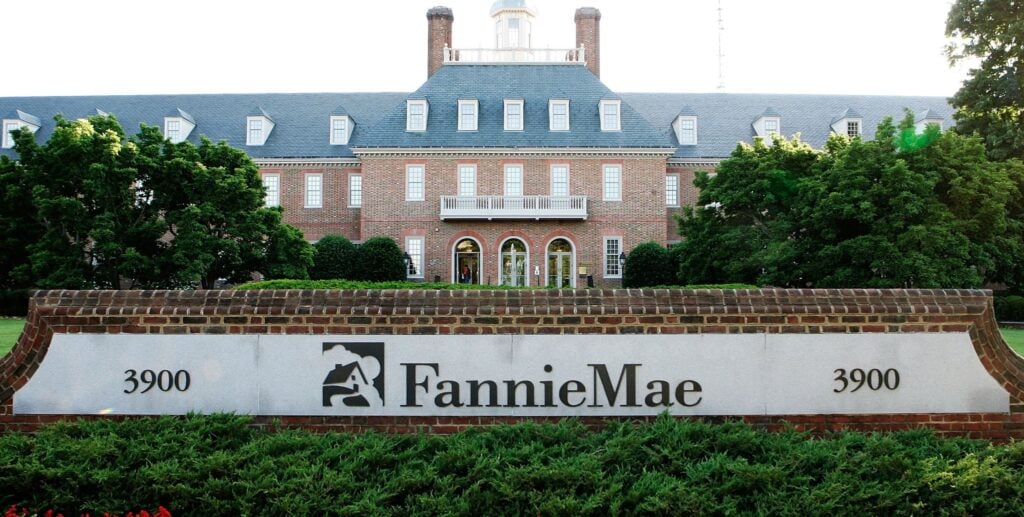
Fannie Mae and Freddie Mac now permit rent and utility payment history to influence credit scores. This shift opens doors for tenants in rent-to-own arrangements to build stronger credit profiles without relying solely on traditional credit metrics.
Rent-to-own deals have long attracted investor-landlords seeking profitable exits. The barrier has always been tenant creditworthiness. Most tenants entering these agreements lack pristine credit histories. Lenders typically rejected applications from buyers with thin or damaged credit files, killing deals before they started.
The new policy changes this calculus. When rent payments register on credit reports, tenants demonstrate consistent payment behavior over months or years. Utility payments now count too. A renter who pays the electric bill and landlord on time builds a trackable payment record that bureaus recognize.
For landlords running rent-to-own programs, this expansion dramatically widens the buyer pool. Properties that sat unsold to credit-challenged tenants now move into ownership. Investors capture capital gains while converting long-term renters into owners. The strategy becomes less risky when applicants show documented payment discipline.
For tenants, the impact cuts both ways. Those with solid rental payment records now position themselves for financing approval. A two-year lease with zero late payments carries real weight in underwriting. Tenants improve their odds of converting rental payments into homeownership. However, tenants should recognize that rent reporting also flags missed payments or late remittances. The system works both directions.
Mortgage originators benefit from expanded lending capacity. Fannie Mae and Freddie Mac, which buy and guarantee most conforming loans, gain access to borrowers previously locked out. Volume increases. Risk profiles improve when lenders identify stable payers through rental history rather than guessing based on credit scores alone.
The policy reflects housing realities. Generation Z and younger millennials often delay traditional credit