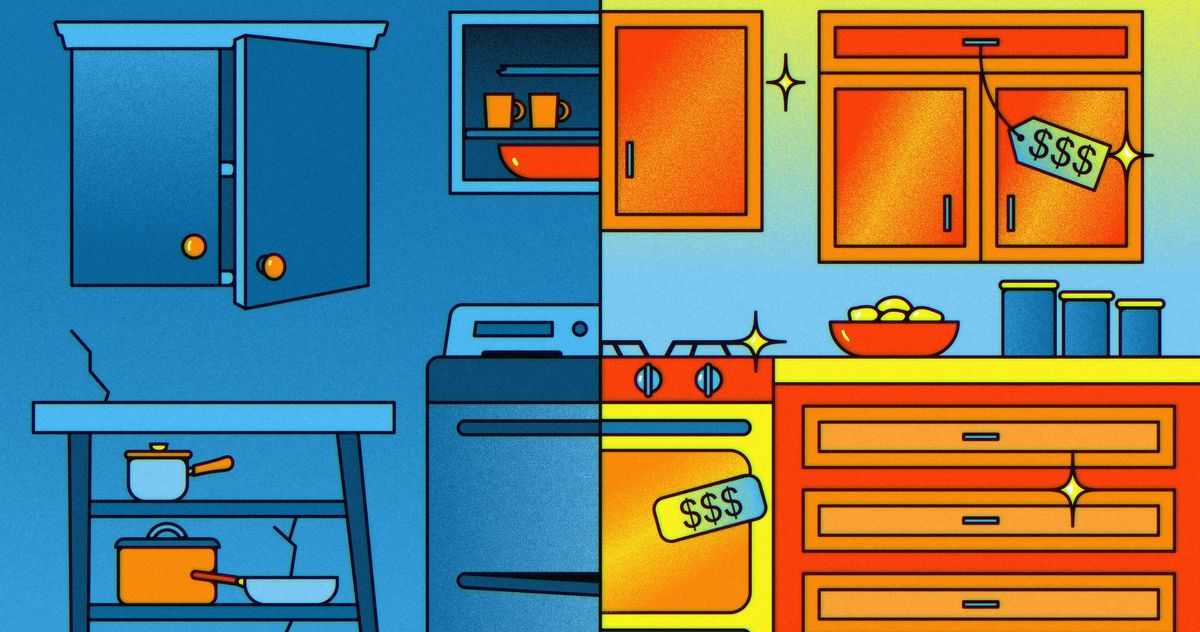
A rent-stabilized tenant considering kitchen renovations faces a genuine legal trap. In New York City and other jurisdictions with rent stabilization, major renovations can trigger "individual apartment improvements" (IAI) rent increases. Landlords may petition the Rent Guidelines Board to permanently raise the rent once improvements exceed thresholds, typically around $10,000 to $15,000 in value.
The math works against tenants. A $20,000 kitchen renovation could justify a 1 to 3 percent permanent rent increase, depending on local rules. For a $2,000 monthly rent, that means an extra $20 to $60 each month, forever. Over ten years, the tenant pays $2,400 to $7,200 in additional rent for a benefit that disappears when they move.
Landlords rarely fund kitchen upgrades themselves under rent stabilization because they cannot recoup the cost through rent increases on existing tenants. This creates misaligned incentives. Tenants who invest their own money improve the unit, but the landlord captures the asset appreciation while the tenant bears the ongoing rent burden.
Exceptions exist. Some jurisdictions cap IAI pass-through percentages or exclude cosmetic improvements. Emergency repairs (a failing stove) sometimes sidestep IAI rules. Tenants should consult local tenant rights organizations before spending.
Smart alternatives: tackle cosmetic fixes that dodge scrutiny. Paint walls, install removable backsplash, upgrade hardware, refinish cabinets. These improvements cost $2,000 to $5,000 and transform the kitchen without triggering official valuations.
Long-term tenants face harder choices. If you plan to stay twenty years, permanent rent increases matter less. But if you might leave in five years, renovation costs balloon relative to the benefit gained.
The landlord relationship matters