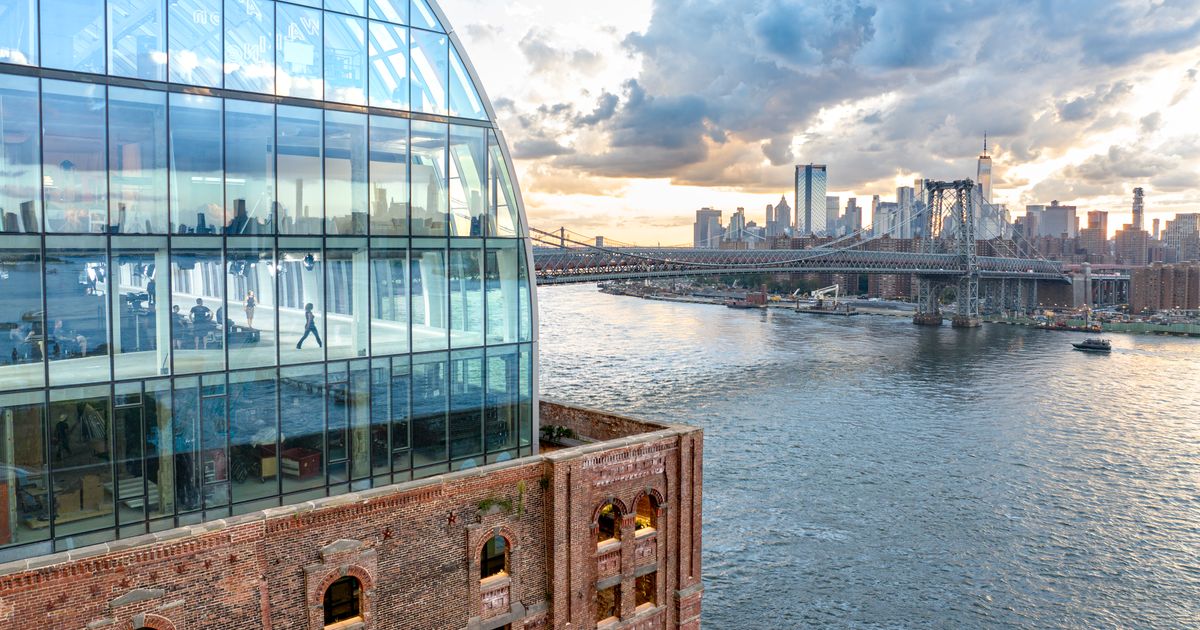
Domino Refinery, the sprawling mixed-use development on Brooklyn's waterfront, is shifting its office strategy after soft leasing activity. The project, originally anchored by large corporate tenants seeking expansive floorplates, now pivots toward smaller office suites designed for startups and creative firms.
The 11-acre site in Williamsburg was reimagined from its industrial past into a live-work destination. Developers banked on major tenants relocating from Manhattan, but post-pandemic workspace trends upended those assumptions. Companies downsized, embraced hybrid models, and showed less appetite for sprawling Brooklyn offices than anticipated.
Domino's recalibration reflects a broader Brooklyn narrative. Landlords across the borough marketed office space aggressively as Manhattan alternatives, yet conversion rates lagged. Tenants wanted smaller, flexible footprints. They sought short-term leases. They demanded amenity-rich buildings with ground-floor retail and dining.
The refinery's new strategy carves office blocks into 2,000 to 5,000 square-foot units, down from the original 15,000-plus square-foot configurations. This targets the design, tech, and media sectors that thrive in smaller teams. Rents for smaller units typically command higher per-square-foot rates, potentially offsetting volume challenges.
For landlords across Williamsburg and Greenpoint, the message is clear. Brooklyn's office comeback requires adapting to tenant behavior, not betting on it. Large footprint assumptions built into 2018 and 2019 development plans now feel quaint.
Buyers and investors eyeing Domino should expect a different revenue profile than originally pro forma'd. Residential components remain strong, but the mixed-use math shifts when office underperforms. Smaller tenants also mean higher turnover and management complexity