# The Met's Costume Institute Moves Upstairs, Claiming Prime Real Estate
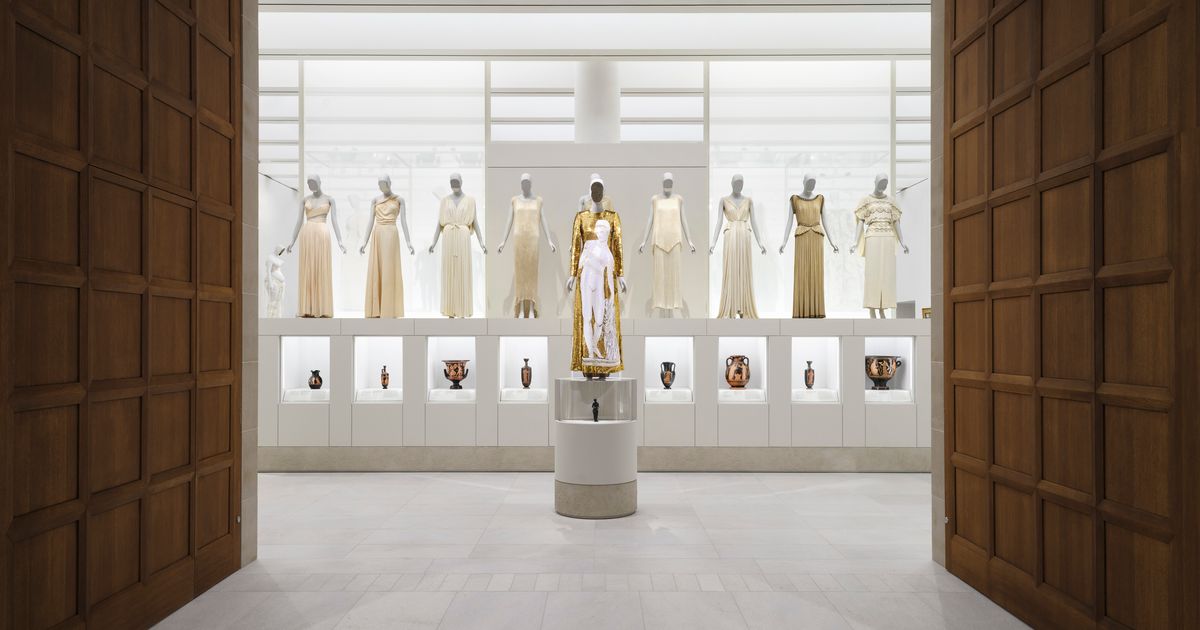
The Metropolitan Museum of Art is relocating its Costume Institute to a more prominent location within the building, shifting the collection from its traditional basement home to upper-floor galleries. This repositioning reflects a broader institutional bet that fashion and costume history deserve equal footing with painting, sculpture, and decorative arts.
The relocation addresses long-standing complaints from curators and visitors. The Costume Institute previously occupied cramped, climate-controlled basement spaces that limited exhibition flexibility and public access. The new galleries provide expanded square footage and visibility, placing the collection on upper floors where foot traffic flows more naturally through the museum.
The move carries real estate implications for how the Met allocates its scarce interior space. Upper-floor real estate at the museum commands premium positioning in visitor journeys. By elevating the Costume Institute, the Met signals that fashion merits the same spatial investment as traditional fine art collections. This repositioning costs the museum in terms of gallery space previously dedicated to other departments, forcing trade-offs across the institution.
For curators, the expanded upper-floor location enables larger rotating exhibitions and better climate control for delicate textiles. The new design supports longer-term loans and traveling exhibitions that were logistically difficult from the basement. Visitors benefit from easier access and better integration with other collections, particularly decorative arts and textiles.
The renovation aligns with broader trends in major museums. Costume and fashion collections have become draw attractions, rivaling blockbuster exhibitions in visitor numbers. The Met's annual Costume Institute Gala already functions as a major cultural event tied to the collection. The architectural upgrade validates this commercial and cultural reality.
The project required significant capital investment in infrastructure, climate systems, and architectural redesign. It represents the Met's commitment to repositioning its curatorial priorities and physical footprint around contemporary audience interests. The