# What Happens When Homes Don't Sell? What to Know About a "Stuck" Market
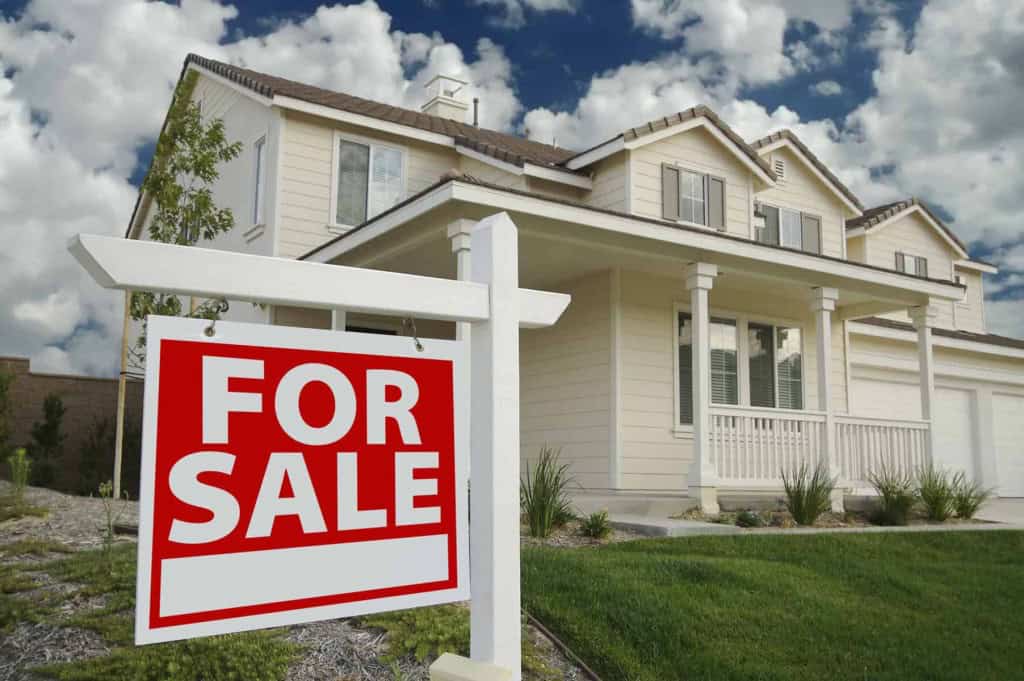
Properties lingering on the market without offers signal a fundamental shift in buyer-seller dynamics. A stuck market occurs when inventory exceeds qualified buyer demand, forcing sellers to confront pricing reality and strategic repositioning.
Current market conditions show homes staying listed longer across most U.S. markets. Sellers who priced aggressively during the pandemic boom now face competition from newer listings and rising mortgage rates that shrink buyer purchasing power. A home listed at $500,000 in a market where comparable properties sold for $450,000 six months ago will stall quickly.
For sellers, extended listing periods create cascading problems. Carrying costs mount: property taxes, insurance, utilities, and HOA fees accumulate monthly. Mortgage payments continue for sellers who haven't yet closed on a new purchase. Psychological fatigue sets in after 90-plus days on market, which signals to buyers that something may be wrong with the property or price. Price reductions become inevitable, but each reduction damages perceived value.
Buyers gain leverage in stuck markets. Multiple offer situations vanish. Negotiating repairs and closing timelines becomes realistic. Buyers can inspect thoroughly without rushing. Cash offers and contingency-free deals lose their competitive edge when homes sit.
Real estate agents adjust strategy by recommending price cuts of 5-10%, staging improvements, or enhanced marketing. Some sellers remove listings temporarily, hoping to relist when conditions improve. Others face foreclosure or short sales if they cannot sustain carrying costs.
Landlords monitoring rental markets benefit indirectly. When homeownership becomes less attractive, renters stay in apartments longer, stabilizing demand. Rising rents often follow as landlords capitalize on extended tenant tenure.
Stuck markets typically signal transition periods. Mortgage rates cooling, inventory declining, or economic optim