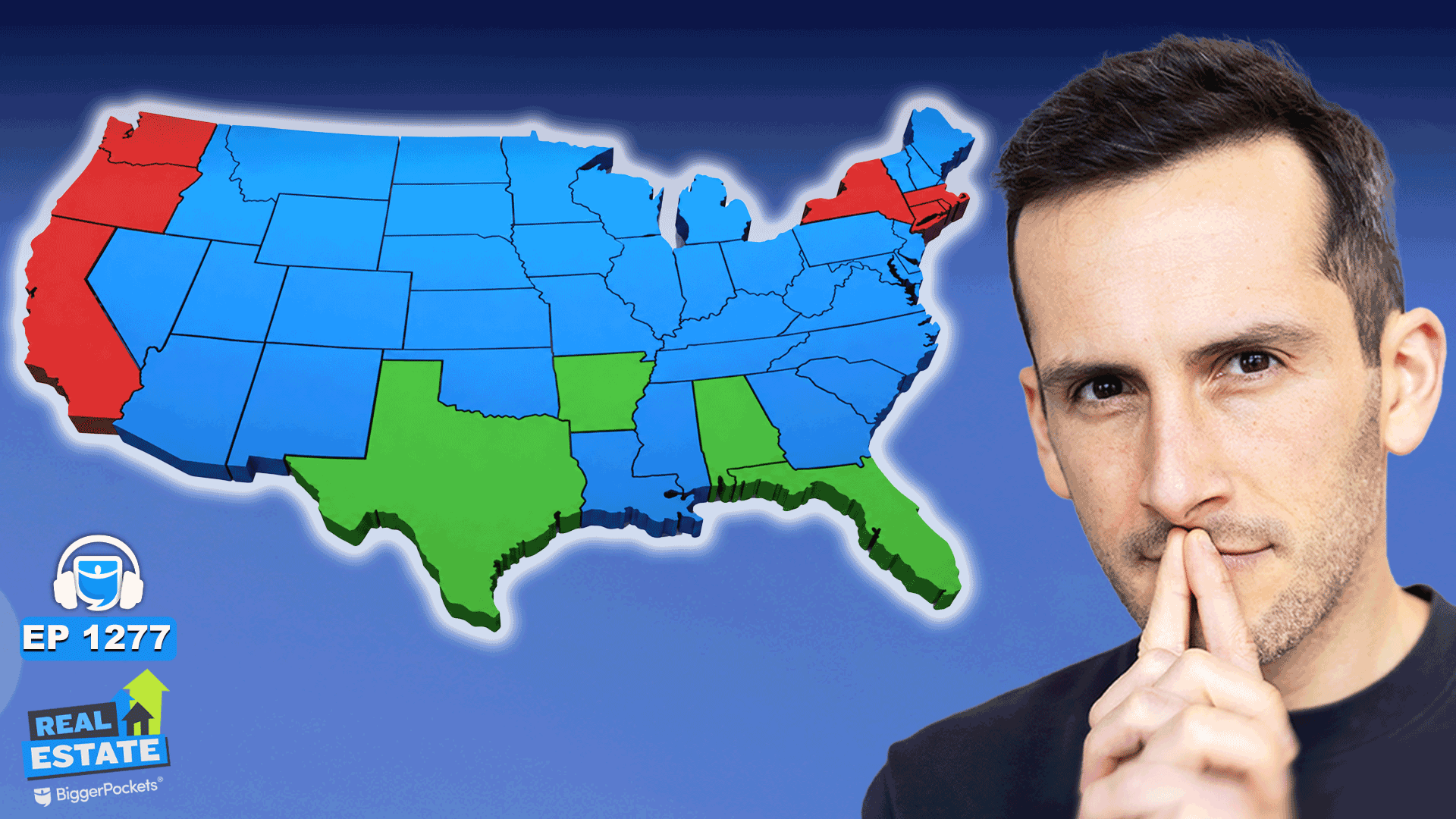
Conventional wisdom tells real estate investors to avoid tenant-friendly states and chase landlord-friendly jurisdictions with fast eviction timelines and minimal rent control. But that advice deserves scrutiny.
Tenant-friendly regulations like extended eviction periods, rent caps, and robust tenant protections often deter small investors. These rules increase vacancy risk, reduce pricing power, and complicate property management. States like California, New York, and New Jersey impose strict rent-control measures that compress returns. A landlord in New York City faces 90-day eviction timelines and rent-stabilization caps; compare that to Texas or Florida, where evictions move faster and rents climb without government interference.
Yet the simplistic "landlord-friendly equals better returns" formula breaks down under scrutiny. Tenant-friendly states often sit in high-demand metros where population growth, job creation, and wage growth drive sustainable rental demand. Massachusetts, Illinois, and Washington state, despite tenant protections, anchor major economic centers that support premium rents and strong occupancy rates.
The real calculus involves weighing regulatory friction against market fundamentals. A property in Austin, Texas offers quick evictions but faces 8 percent annual population growth that keeps rents rising regardless. A Boston apartment in a tenant-friendly state sits in a market with limited housing supply, strong tenant demand, and resilient rents even with slower eviction procedures.
Smart investors distinguish between regulatory environment and underlying economics. Tenant-friendly states work for investors who can tolerate lower velocity transactions and accept smaller per-unit margins in exchange for reliable tenants and lower turnover. Landlord-friendly states reward investors who move fast, manage aggressively, and exploit inefficiencies.
The best approach abandons ideology. Analyze specific metros: population trends, job growth, housing supply constraints, and rent trajectory. A tenant-friendly state with explosive job growth beats