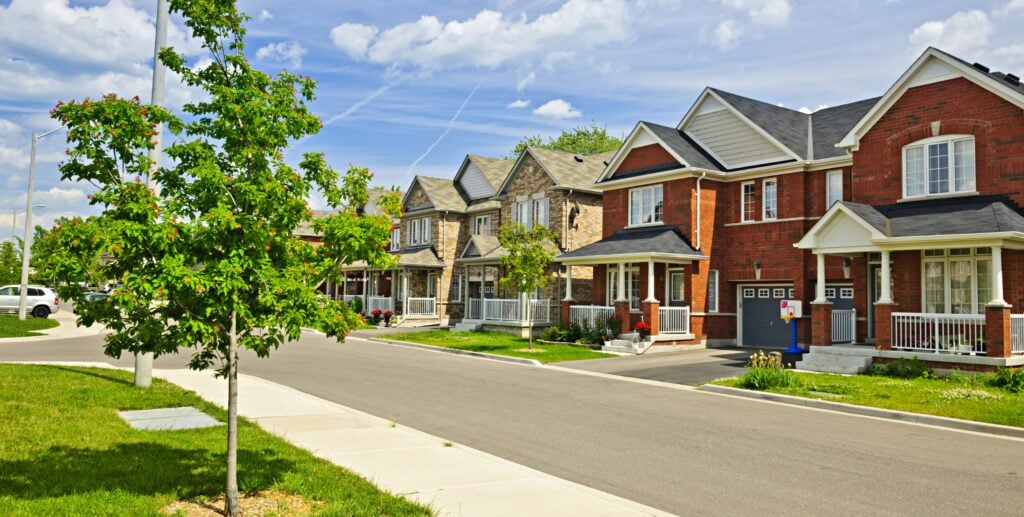
Home prices are declining in 12 states as the market corrects from pandemic-era peaks. The shift reverses the aggressive appreciation that characterized 2021 and 2022, when bidding wars and inventory shortages drove prices to historic highs.
Buyers in these declining-price states gain negotiating leverage they lacked during the pandemic surge. Sellers face a harder environment, particularly those who purchased at peak valuations or overleveraged themselves with adjustable-rate mortgages. Properties listed above recent comps will languish on market longer.
The cooling extends beyond purchase prices to rental markets, which had inflated alongside home values. Tenants benefit from slower rent growth or outright reductions in some declining-price states. Landlords who counted on continued appreciation to offset rising mortgage rates and property taxes now confront margin compression.
Investors who speculated on continued price growth face losses. Those who bought as cash-flowing rentals rather than appreciation plays remain positioned to weather the correction. Buy-and-hold investors in declining markets should scrutinize their rental yields and refinancing options before rates rise further.
The decline reflects market fundamentals realigning after years of distortion. Mortgage rates above 6 percent, reduced pandemic savings, and stricter lending standards eliminated the marginal buyers who fueled the frenzy. Prices adjust downward until they match what borrowers can actually afford at current rates.
Geography matters substantially here. States with the steepest pandemic appreciation typically see the sharpest corrections. Markets that experienced moderate growth during 2020-2022 show more resilience.
For buyers in these 12 states, the window for advantageous pricing exists now. Waiting for deeper declines risks missing a local floor and facing renewed competition as the market stabilizes. Sellers must adjust expectations to match current buyer demand. Landlords and property managers should lock in