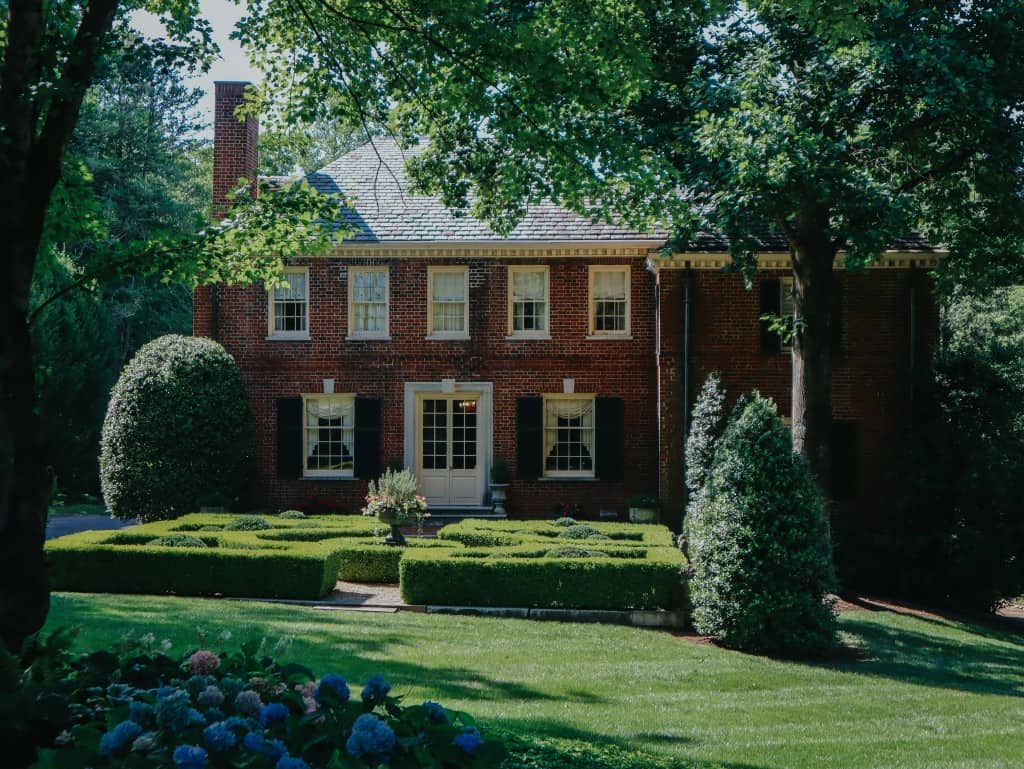
Historic homes command premiums in today's market, but buyers who purchase them must navigate preservation requirements that standard properties avoid entirely. Understanding the different architectural styles and what preservation entails separates smart buyers from those facing unexpected renovation costs and regulatory headaches.
Victorian, Colonial, Craftsman, and mid-century modern homes represent the most common historic property types. Each era carries distinct characteristics. Victorians feature ornate details, wraparound porches, and complex rooflines. Colonials showcase symmetrical facades and formal proportions. Craftsmans emphasize handmade woodwork and natural materials. Mid-century moderns prioritize clean lines and open floor plans.
Preservation requirements vary by location. Properties listed on the National Register of Historic Places or within local historic districts face strict guidelines. Owners cannot remove original siding, alter window styles, or change roof materials without approval from local historic commissions. Some jurisdictions require historically accurate replacements even for broken components.
For buyers, this means renovation timelines stretch longer. A simple roof replacement in a standard home takes weeks. The same project in a historic district requires design review, potential appeals, and sourcing period-appropriate materials. Contractors experienced with historic work charge premiums, sometimes 30 to 50 percent above standard rates.
However, buyers gain financial incentives. Federal Historic Preservation Tax Credits return 20 percent of qualified rehabilitation expenses. Many states offer additional credits ranging from 5 to 20 percent. These credits apply only to income-producing properties or owner-occupied residences, depending on jurisdiction. A $100,000 rehabilitation project could net $20,000 to $40,000 in tax credits.
Sellers of historic homes attract buyers seeking character and authenticity. Properties that maintain original details command higher prices than heavily modified versions. A Victorian with intact crown molding, hardwood floors, and period fixtures out