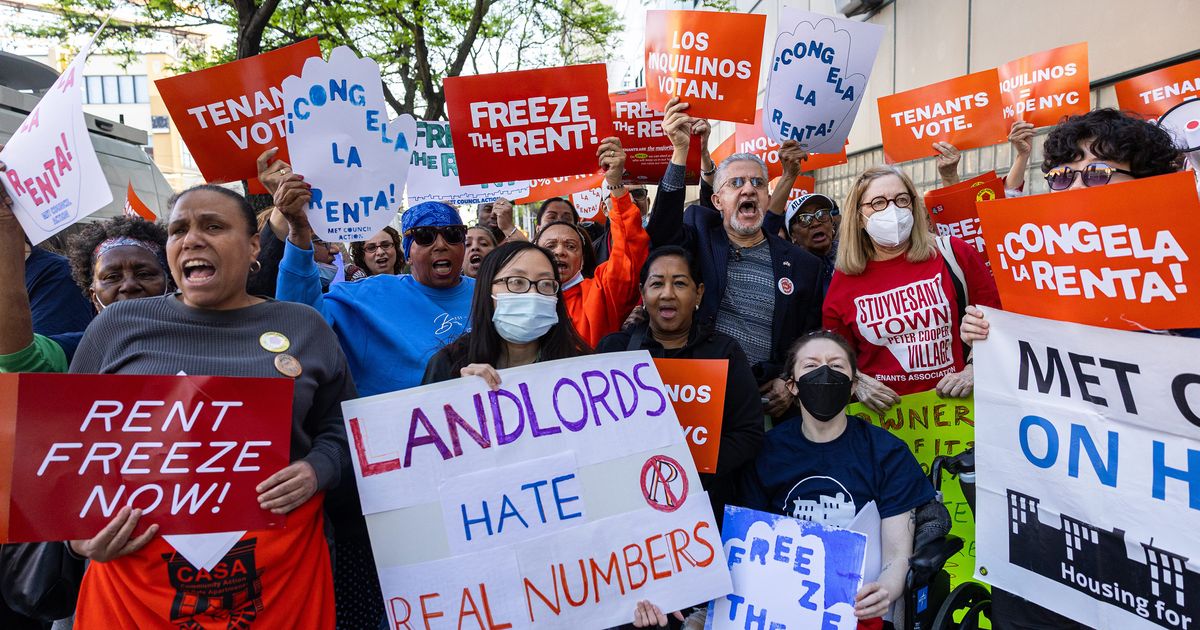
The Rent Guidelines Board has proposed zero percent rent increases for one-year leases, marking the first time since Bill de Blasio's mayoralty that the board considered the bottom of its allowable range. This proposal applies to stabilized apartments in New York City, where roughly 966,000 units operate under rent control regulations.
The board's decision reflects cooling inflation and softening rental market conditions across the city. Tenant advocates, including housing activist Mamdani, have long pushed for rent freezes to protect renters from displacement. A zero percent increase means landlords cannot raise rents on one-year lease renewals, though the board typically allows increases on two-year leases.
For tenants, a freeze protects household budgets during economic uncertainty. Many stabilized renters live on fixed or modest incomes, making even small increases burdensome. For landlords, a zero percent increase limits revenue growth and creates pressure on maintenance budgets, particularly for older buildings requiring capital repairs.
The proposal still requires board approval at a formal vote. Landlord groups have argued that zero percent increases harm property maintenance and discourage new construction. Housing providers contend they need revenue growth to cover rising labor, utility, and material costs.
This shift represents a notable change from previous years when the board approved modest increases of 2 to 3 percent. Under current economic conditions, the board appears more willing to prioritize tenant stability over landlord revenue growth.
The final decision carries political weight in a city where rent affordability remains the top housing concern. Governor Kathy Hochul and Mayor Eric Adams have both faced pressure from tenant advocates to support rent relief measures, though neither controls the Rent Guidelines Board directly.
A zero percent increase would affect roughly 266,000 lease renewals scheduled over the next year, according to housing experts. The actual impact depends on whether the board votes to ratify the