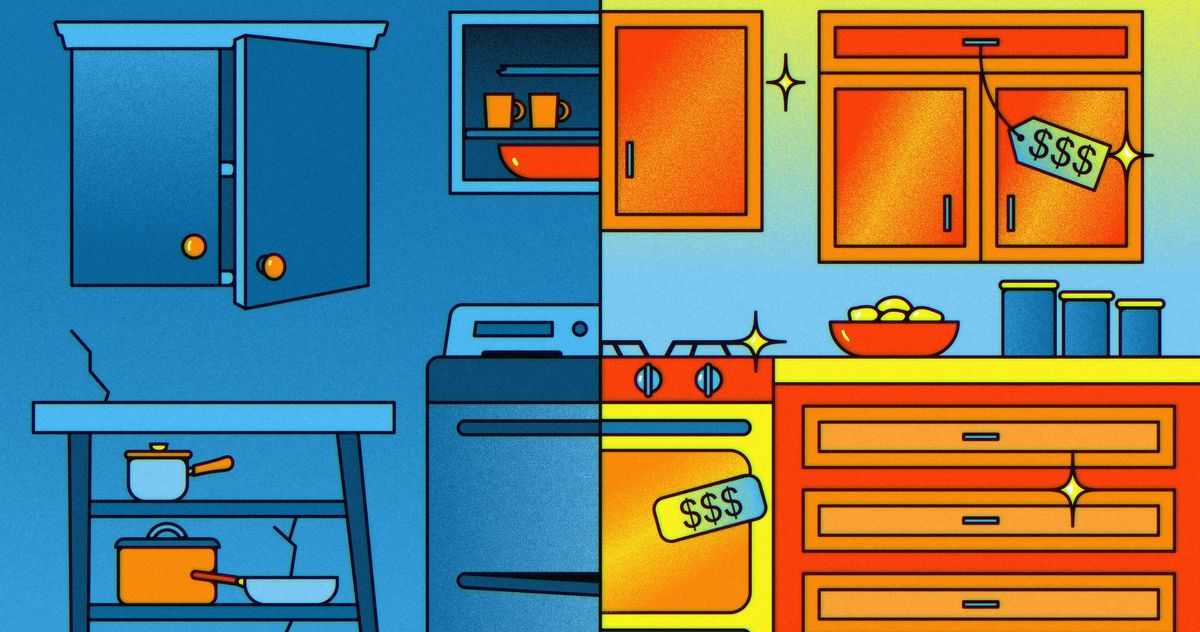
Renovating a rent-stabilized kitchen requires careful calculation of costs against benefits that may never materialize financially.
The core problem is simple. Rent-stabilized apartments in cities like New York cap annual increases at roughly 3 percent regardless of improvements. You cannot recoup renovation costs through higher rent. Unlike owners who build equity through upgrades, stabilized tenants absorb the full expense with zero financial return.
Landlords often resist kitchen renovations in stabilized units. Improvements can trigger lease non-renewal or building conversion attempts, pushing you toward vacancy. Some landlords use major renovations as justification for destabilization efforts or preferential rent increases once your lease ends. The legal risk varies by jurisdiction, but the dynamic exists.
Practical concerns matter too. Renovations require landlord approval, which stabilized tenants may not receive. Disputes over who pays for what—fixtures, labor, permits, restoration—can sour landlord relationships. If you eventually move, custom improvements rarely transfer value. Expensive cabinetry, specialized flooring, or high-end appliances become sunk costs the next tenant may discard.
The timing question looms large. If you plan to stay 15-plus years, modest upgrades—fresh paint, new hardware, functional appliances—improve daily living without excessive expense. Major overhauls costing $20,000 or more demand long holding periods to justify purely on quality-of-life grounds.
Tenants who renovate stabilized kitchens typically do it for personal comfort, not investment. Budget conservatively. Choose durable, replaceable elements over permanent built-ins. Get all approvals in writing. Consider whether the landlord's cooperation signals trouble ahead.
The honest answer depends on your timeline and budget. A $5,000 refresh benefits you daily. A $40,000 gut renovation is money lost