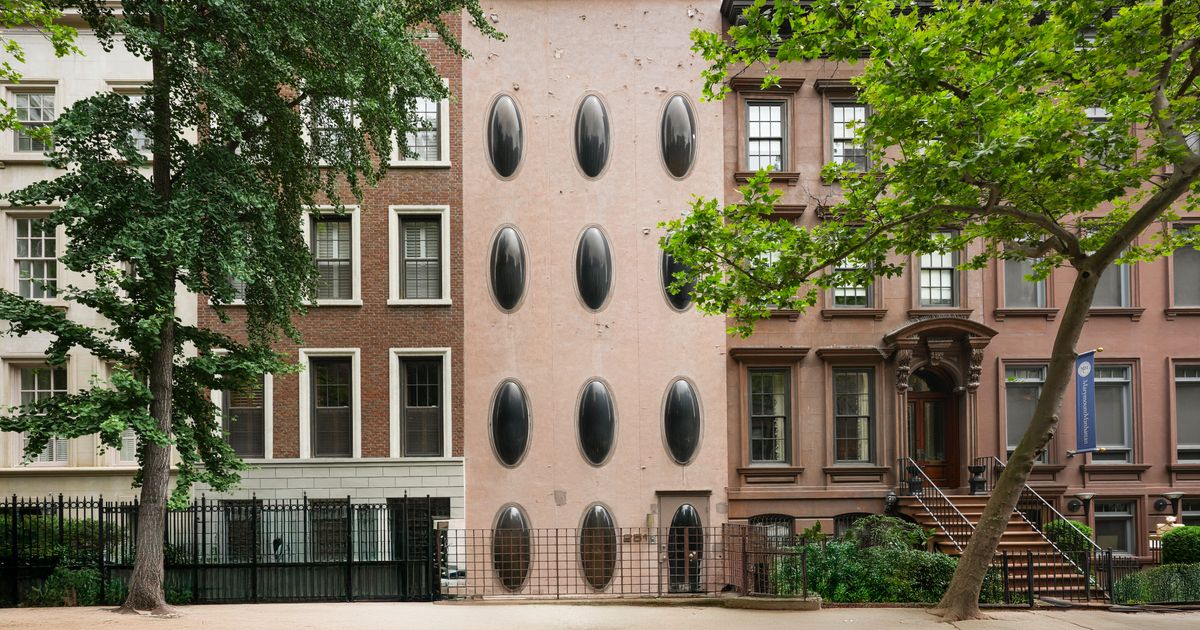
A quirky modernist row house on East 71st Street in Manhattan has sold, but the new owner is already questioning one of its most distinctive features. The property, known colloquially as the "Bubble House" for its unconventional design elements, closed a deal after months on the market.
The home's unusual architecture, which includes distinctive curved window treatments and experimental modernist details, attracted significant attention from design enthusiasts and architecture buffs when it listed. However, those same architectural signatures that drew eyeballs now present a practical dilemma for the buyer.
The windows, central to the home's avant-garde aesthetic, create ongoing maintenance concerns and functionality issues. Replacing them would strip away the property's defining character. Keeping them intact means accepting higher upkeep costs and potential heating and cooling inefficiencies typical of non-standard window designs.
This sale reflects a broader tension in Manhattan's luxury market. Iconic properties with strong design pedigrees command attention and premium positioning, yet buyers often discover that living with experimental architecture differs sharply from appreciating it from a distance. The Bubble House represents a category of Manhattan real estate where scarcity value and historical importance must compete against everyday practicality.
For sellers of distinctive modernist homes, the lesson rings clear. Buyers will pay for provenance and uniqueness, but not without reservations about long-term livability. The property found its market, proving that bold architectural vision still attracts purchasers willing to embrace unconventional living spaces, even when some compromises come with the deal.