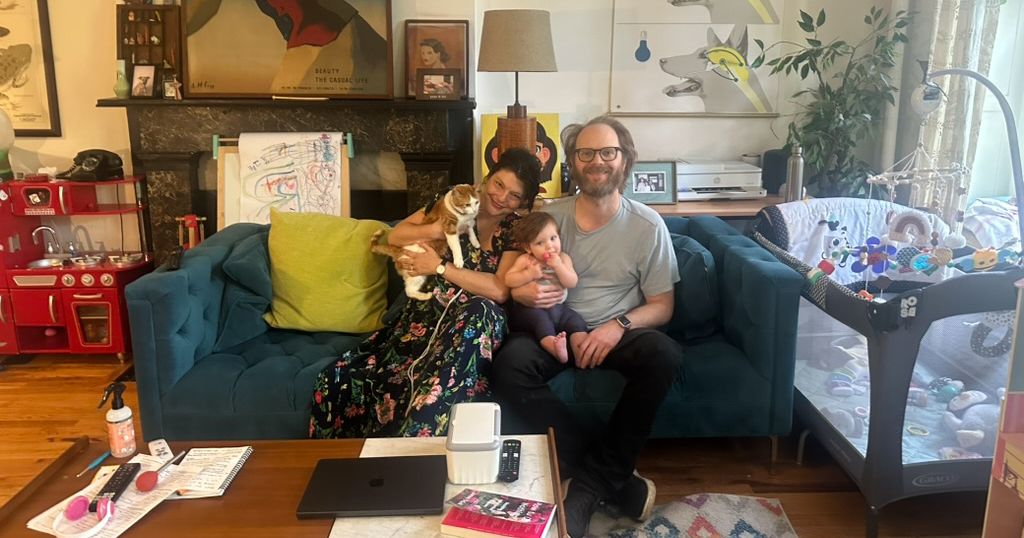
A family of long-term rent-stabilized tenants in Gramercy faces eviction pressure despite occupying their two-bedroom walk-up for decades. The landlord's push to remove them reflects a broader pattern across New York City where property owners seek to reclaim units from low-rent tenants to convert to market-rate apartments or condominiums.
The unit, stuffed with five decades of accumulated memories and possessions, represents more than shelter for this household. Rent-stabilized apartments in Manhattan command premium prices when converted to market units. A comparable two-bedroom in Gramercy currently rents for $4,500 to $6,500 monthly, compared to what the family almost certainly pays under rent stabilization protections, likely under $2,000.
Landlords employ various tactics to pressure long-term tenants. Some cite code violations or needed renovations as grounds for vacancy. Others attempt buyouts, offering lump sums to vacate. The family's refusal to leave voluntarily puts them in a protracted legal situation, as New York's rent stabilization laws technically prevent no-fault evictions, though enforcement remains challenging.
For this family, relocation means abandoning decades of neighborhood roots and community ties. The Gramercy walk-up likely sits steps from schools, favorite restaurants, and family support networks. Finding comparable housing at similar costs elsewhere in Manhattan or even Brooklyn has become virtually impossible.
For the landlord, an empty market-rate unit generates substantially more revenue than a stabilized tenancy. A two-bedroom stabilized unit generating $1,800 monthly becomes a $5,400-plus unit post-renovation. Over a decade, that difference exceeds $400,000 in foregone rental income.
This standoff encapsulates New York's housing crisis. Rent stabilization protects some households from displacement, yet creates per