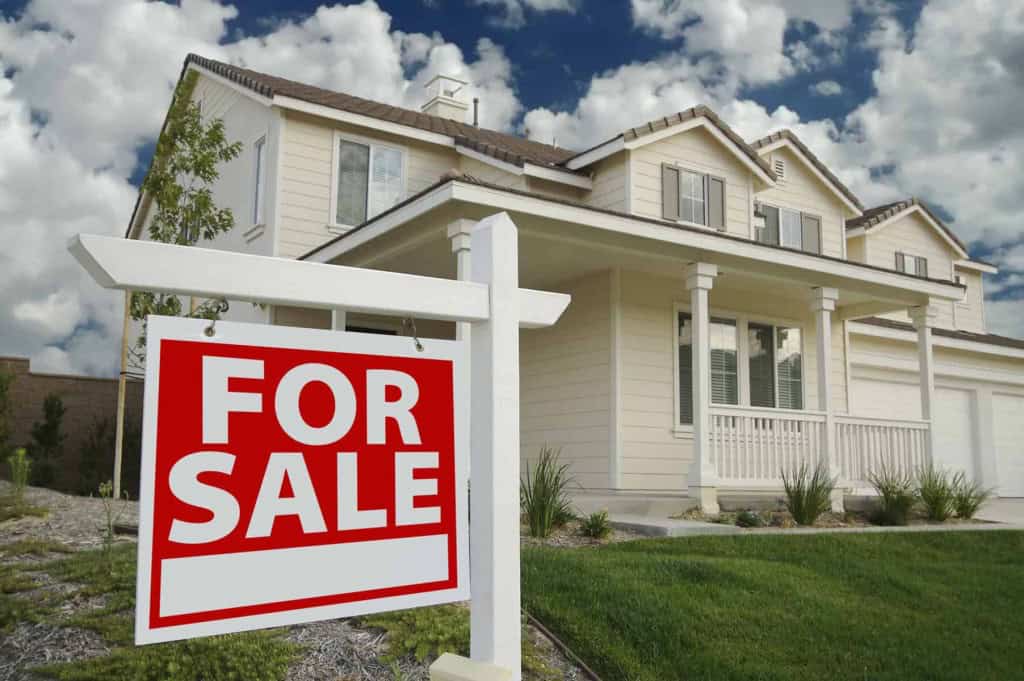
# What Happens When Homes Don't Sell? What to Know About a "Stuck" Market
Homes sitting on the market for extended periods create financial pressure on sellers and shift negotiating leverage to buyers. When properties linger unsold, sellers often face mounting carrying costs including mortgage payments, property taxes, insurance, and maintenance while the home generates zero income.
Redfin data shows that homes remaining listed beyond standard timeframes typically indicate fundamental problems. Price misalignment tops the list. Sellers anchored to outdated comps or emotional attachment to purchase price refuse necessary reductions. A home priced at $550,000 in a market where comparable sales closed at $475,000 will languish until the seller accepts reality.
Condition issues also trap properties. Deferred maintenance, outdated kitchens or bathrooms, structural defects, or poor location within the neighborhood deter qualified buyers. Cosmetic fixes may generate showings, but serious buyers walk away from homes requiring $30,000 to $100,000 in repairs.
Market timing compounds stagnation. Homes listed during slow seasons or economic uncertainty face reduced buyer pools. Interest rate spikes dry up purchasing power, leaving marginal sellers holding inventory.
For sellers, extended listings drain finances and damage negotiating position. Every additional month of carrying costs erodes net proceeds. Buyers recognize desperation and submit lower offers. The psychological toll also peaks as sellers wonder whether their home has a fatal flaw.
Buyers gain leverage in stuck markets. Inspection leverage strengthens, allowing deeper scrutiny of defects. Closing contingencies become easier to impose. Buyers can demand seller concessions for repairs or closing costs that sellers reject in competitive markets.
Landlords face similar challenges with rental properties. Vacancy periods cost rent while tenant turnover requires cleaning, repairs, and leasing efforts. Extended turnovers force