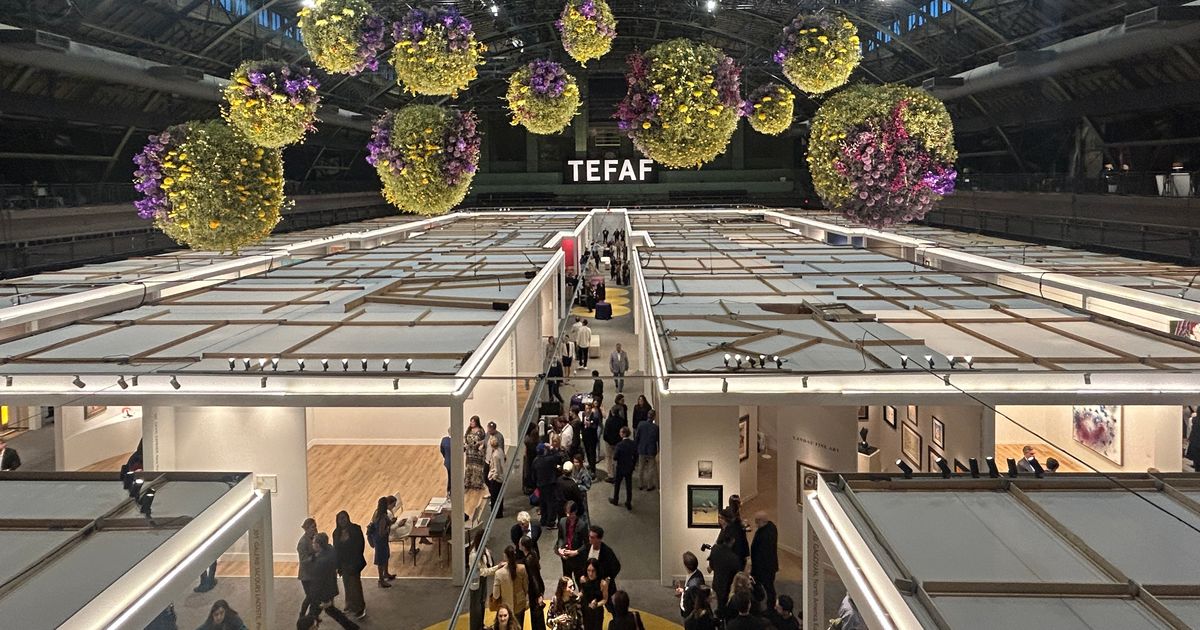
Wendy Goodman, the longtime architecture and design critic for New York Magazine, has curated her personal vision of a dream apartment using standout pieces from TEFAF New York, the prestigious European Fine Art and Design Fair. Her selections blend sculptural furniture, fine art, and vintage objects into a cohesive interior vision.
Goodman's picks center on a striking Alexandre Noll ebony trio, a sculptural seating collection that exemplifies midcentury modernist craftsmanship. Two Giacometti works anchor the artistic direction, bringing the Italian master's distinctive elongated forms and bronze surfaces into dialogue with the room's overall aesthetic. A weathered chair rounds out the selection, contributing patina and history that balances the more pristine contemporary pieces.
This curation reflects how high-end design fairs serve collectors and design enthusiasts seeking investment-quality furniture and art. TEFAF New York attracts galleries, dealers, and collectors from across the globe, with pieces typically ranging from tens of thousands to millions of dollars. The fair positions itself as a bridge between fine art and decorative arts markets, drawing serious collectors willing to invest in authenticated, provenance-rich objects.
For buyers shopping at this level, acquisition decisions involve more than aesthetics. Condition, provenance, artist reputation, and rarity determine value and resale potential. A Giacometti sculpture carries significant weight in the contemporary art market, while a carefully preserved Noll piece appeals to furniture collectors focused on design history and craftsmanship.
Goodman's selections demonstrate how luxury apartment buyers and collectors approach interior design. Rather than following trends, they seek timeless pieces with documented histories and artistic merit. The combination of sculptural furniture with fine art reflects a design philosophy that treats an apartment as a gallery and living space simultaneously.
For real estate professionals marketing high-end residential properties, understanding these curatorial priorities