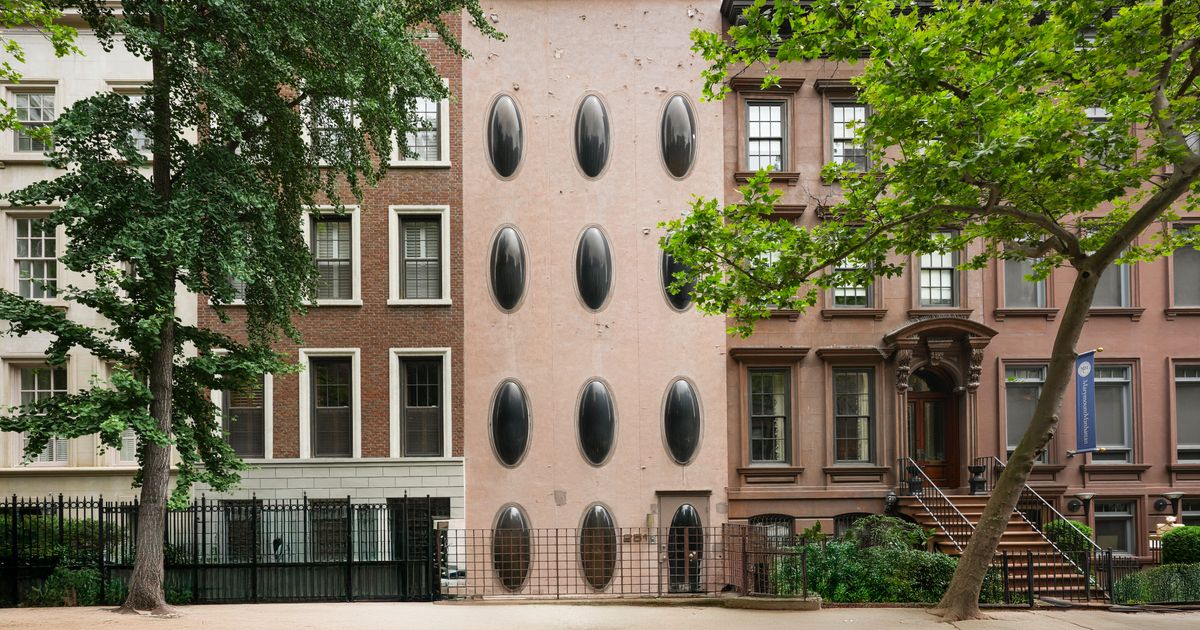
A modernist row house on East 71st Street in Manhattan has found a buyer, but the property's most distinctive feature is also its most controversial element. The home, known for its unconventional design and notable window treatments, attracted serious interest despite raising questions about functionality and livability.
The oddball structure represents a broader tension in New York's luxury housing market. Buyers increasingly pursue architecturally distinctive properties that differentiate themselves from standard offerings. Yet statement windows and experimental layouts can become liabilities rather than assets, especially when they compromise comfort or practicality.
The sale closes a chapter on a property that sat on the market longer than comparable Upper East Side homes. This timing matters. Manhattan's luxury segment has cooled considerably from pandemic peaks. Properties priced above $5 million now spend longer in active listings. Architectural novelty alone no longer guarantees quick sales.
For sellers with unusual properties, the lesson is clear. Distinctive design attracts attention but demands careful buyer qualification. A property that appeals to architecture enthusiasts may alienate mainstream luxury buyers seeking conventional comfort wrapped in upscale finishes.
The window question cuts deeper. Natural light ranks among the top priorities for Manhattan apartment buyers, yet oversized or poorly positioned windows create thermal inefficiency, noise problems, and privacy concerns. This row house forced buyers to weigh aesthetic ambition against practical daily living.
The buyer's ambivalence about the windows suggests they prioritized location and structure over original design intent. East 71st Street commands premium prices regardless of architectural personality. A buyer willing to accept questionable fenestration likely values the neighborhood, lot size, and bones more than preserving modernist purity.
This sale reflects a market recalibration. The bubble for experimental luxury design has softened. Buyers still want distinctive homes, but they increasingly demand that distinction serve their lifestyle rather than challenge it. Properties that don't compromise on either front will