San Jose, California tops the list of America's most expensive cities in 2026, with a median home price exceeding $1.6 million. The Silicon Valley tech hub dominates the market as buyers compete for limited inventory and stable employment in high-wage sectors.
San Francisco follows closely with median prices near $1.5 million, though the city has seen modest cooling compared to peak pandemic prices. Both Bay Area markets remain constrained by geography and restrictive zoning laws that limit new construction.
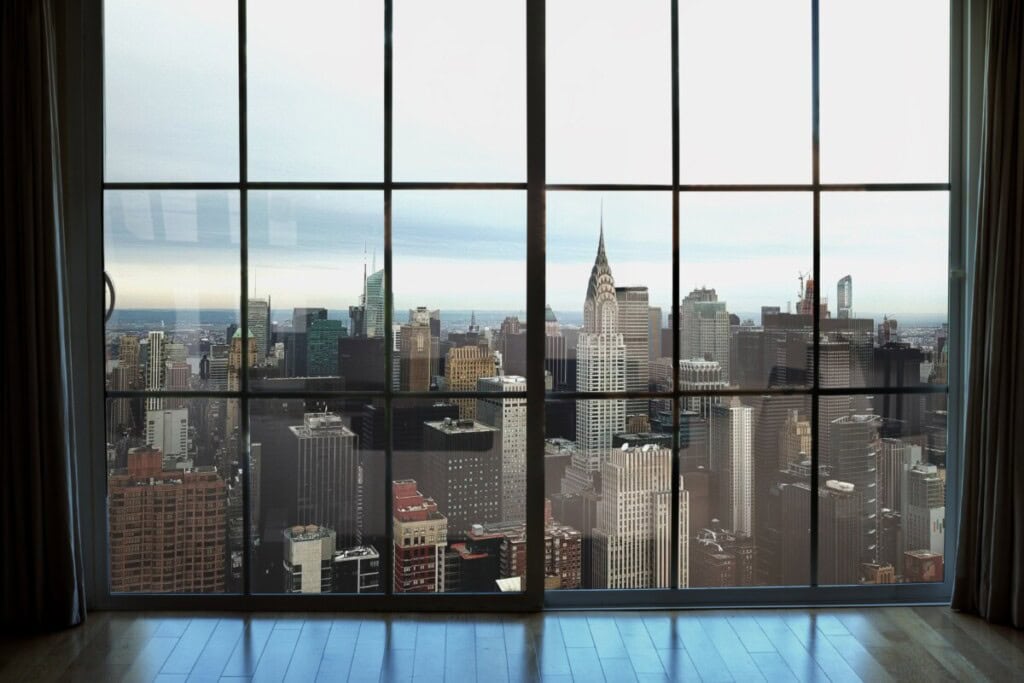
New York City ranks third with median prices around $780,000 in the broader metro area, though Manhattan and Brooklyn command significantly higher premiums. Miami enters the top 10 at roughly $620,000 median, reflecting migration patterns from northern states seeking lower taxes and warmer weather.
Los Angeles, San Diego, and Seattle round out the upper tier, each with median prices between $900,000 and $1.2 million. These West Coast markets balance strong job markets against housing shortages and environmental constraints.
Boston, Washington D.C., and Hawaii (Honolulu) complete the list, driven by institutional employers, government jobs, and limited supply respectively.
For home buyers in these markets, affordability remains the primary challenge. Median household incomes struggle to support down payments and mortgage payments at these price points. First-time buyers face increasing competition from investors and remote workers relocating to these established metros.
Sellers benefit from persistent demand and limited inventory, though price growth has slowed compared to 2021-2022. Transaction volumes remain below historical averages as buyers sit on the sidelines.
Landlords in these cities command premium rents that reflect purchase prices. Renters face displacement pressures as property taxes and maintenance costs push rents higher annually. Investment buyers continue purchasing for long-term appreciation and income, though cap rates remain compressed.