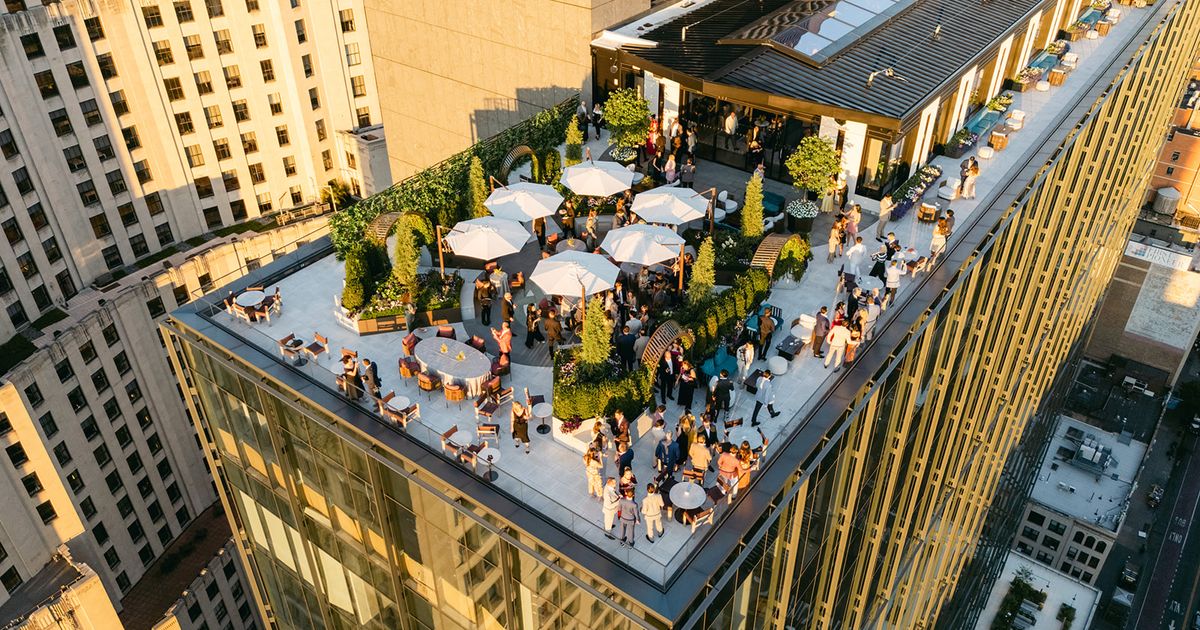
High-rise office towers across major cities are converting vacant floors into upscale wedding venues, capitalizing on post-pandemic real estate trends. Developers and property owners face persistent office vacancy rates, making alternative revenue streams essential.
These conversions target affluent couples willing to pay premium rates for dramatic skyline backdrops and modern, flexible spaces. A typical luxury office-turned-venue rental ranges from $15,000 to $50,000 for a single event, depending on location and floor size. Cities like New York, Los Angeles, Chicago, and San Francisco lead this trend, where office occupancy remains below pre-pandemic levels.
The shift benefits multiple stakeholders. Property owners generate immediate income from otherwise empty square footage while waiting for long-term office tenants. Couples gain access to unique, customizable spaces with existing infrastructure—elevators, climate control, bathrooms, kitchen facilities. Event companies secure affordable venue inventory without constructing new buildings.
However, the trend creates complications. Permanent residential or hospitality zoning restrictions limit operating hours and guest capacity. Building owners must invest in renovation costs, liability insurance, and staff training. Neighbors in mixed-use buildings often object to late-night events and increased traffic.
For office landlords, wedding venues represent a stopgap solution rather than long-term stability. As remote work persists, companies reduce their square footage needs. Converting premium floors to events temporarily masks deeper vacancy problems. Some developers pair wedding venues with other amenities—restaurants, fitness centers, retail—to create mixed-use hubs.
Tenants in office buildings hosting frequent events face noise disruptions and parking competition. Property values in these buildings remain uncertain. Lenders grow cautious about mortgages on hybrid-use office towers with unpredictable income streams.
The strategy works best in gateway cities where office space exceeds demand by 20 percent or more. Secondary