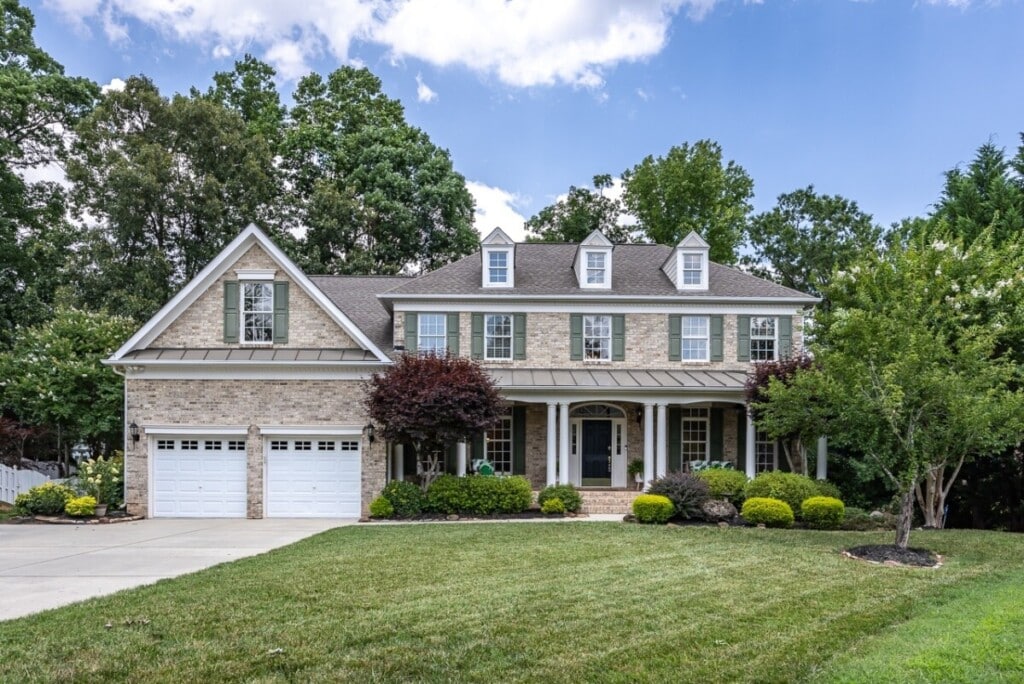
Raleigh's housing market presents starkly different economics for renters and buyers. The rent-versus-buy decision hinges on your financial situation, timeline, and lifestyle flexibility.
For buyers, Raleigh offers strong equity-building potential. Home prices in the North Carolina capital have appreciated steadily, with median home values reflecting the region's tech boom and population growth driven by companies like IBM, Cisco, and Capital One. First-time buyers benefit from lower interest rates locked in earlier compared to 2022-2023 peaks, though rates remain elevated. Homeownership builds wealth through mortgage paydown and property appreciation. Buyers stay put longer, typically five to seven years minimum, to offset closing costs and realize gains.
Renters enjoy flexibility and lower upfront costs. No down payment, no closing costs, no property taxes or maintenance bills. Renters relocate easily for job changes or lifestyle shifts. In Raleigh's competitive job market, this matters. Tech workers and young professionals frequently move between companies and cities. Renting avoids being locked into a specific neighborhood or property when career trajectories shift.
The economics flip based on timeline. A buyer planning to stay seven-plus years in Raleigh likely builds equity faster than a renter accumulates savings. Monthly mortgage payments stay fixed while rents climb 3-4% annually. Over a decade, fixed mortgage costs compound savings.
Renters facing Raleigh's rising rental market should calculate carefully. Average rent increases outpace wage growth in North Carolina. A two-bedroom apartment costs significantly more today than five years ago. Long-term renters watch purchasing power erode through inflation while landlords raise rents at lease renewal.
The buy-versus-rent gap widens for families planning to plant roots. School district quality, neighborhood permanence, and long-term stability favor homeownership. Single