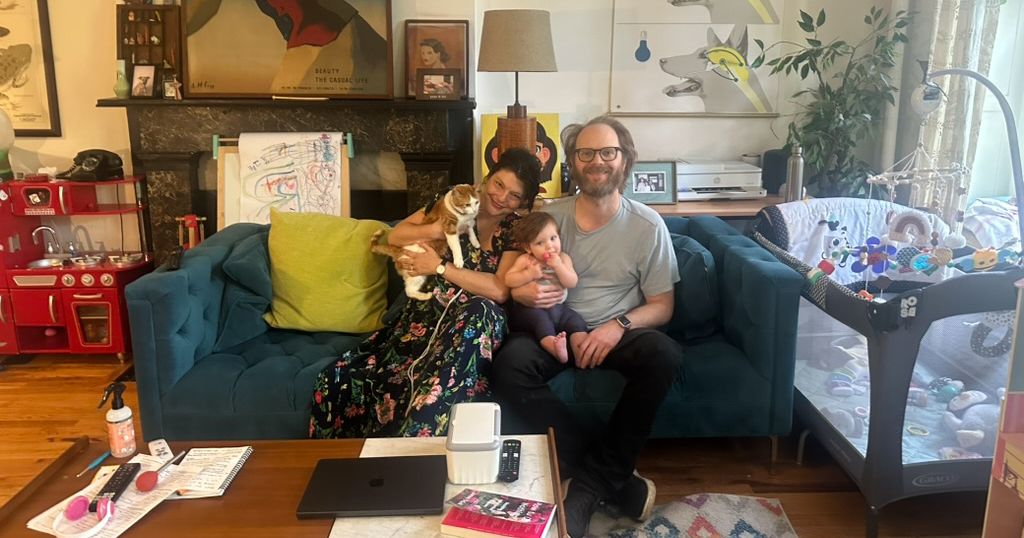
A family in Gramercy faces eviction from their longtime walk-up apartment after their landlord decided to cash out. The two-bedroom, which has housed multiple generations of the same family over fifty years, remains packed with decades of accumulated memories and belongings.
The landlord's decision reflects broader Manhattan trends. Property owners increasingly sell older rent-stabilized buildings to developers who can command premium prices by converting units or pushing out long-term tenants paying below-market rents. This family's situation mirrors what has happened across New York City's inner neighborhoods as real estate values skyrocket.
For the tenant family, the stakes run high. Rent-stabilized apartments in Gramercy typically rent below market rates, often $1,500 to $2,500 monthly depending on unit size and amenities. Market-rate comparable two-bedrooms in the area now fetch $4,000 to $6,000 per month. The family faces both the practical challenge of relocating five decades of possessions and the emotional weight of losing a home tied to their family identity.
The landlord's position reflects financial incentives pulling away from long-term residential leasing. A Gramercy building with rent-stabilized units generates modest steady income. Sale to a developer or conversion to market-rate units creates a one-time windfall, often in the millions for multi-unit buildings.
For other rent-stabilized tenants across Manhattan, this case demonstrates vulnerability despite legal protections. Rent stabilization locks in affordability but offers no guarantee of permanence. Buildings can be sold. Lease renewals can be contested. Tenant protections exist but require navigation and resources many families lack.
The family must decide whether to fight the eviction through legal channels, negotiate a buyout, or accept relocation. Each path carries costs and risks. Legal fights extend uncertainty. Buyouts often