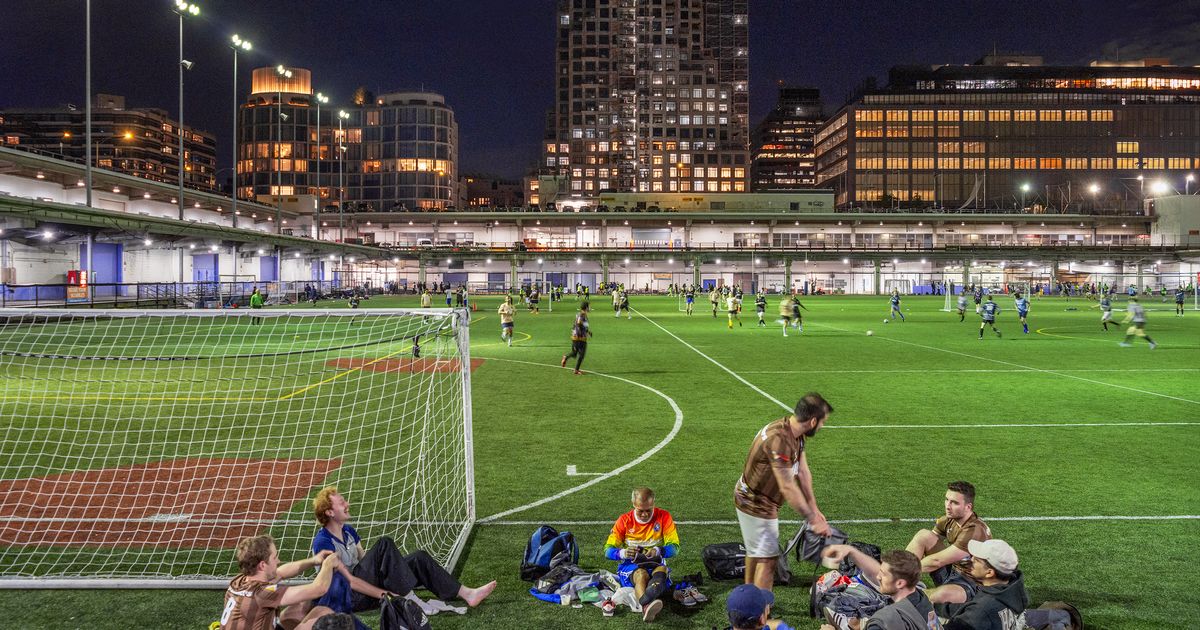
# Turf Wars: Soccer Leagues Face Acute Field Shortage
Recreational soccer leagues across the country report unprecedented difficulty securing playing fields, a crisis driven by competing demand for limited municipal and private sports facilities.
Parks departments in major metros struggle to accommodate growth in adult and youth soccer participation. Leagues compete fiercely for weekend slots, often booking fields 6-12 months in advance. Some cities have implemented lottery systems to allocate prime-time slots, while others charge premium rates during peak hours, pushing league fees higher for participants.
The squeeze affects multiple stakeholders differently. Casual players face fewer options and rising membership costs as leagues scramble to cover inflated facility rental fees. Serious competitors invest in private field access through memberships that run $200-500 monthly. Smaller grassroots leagues collapse under pressure, unable to compete with well-funded club teams for prime real estate.
Public parks departments report they lack funding to maintain existing fields, let alone build new ones. Synthetic turf installations, which offer year-round playability, cost $500,000 to $1 million per field. Many municipalities shelved expansion plans during budget cuts over the past decade and haven't recovered capacity.
Private facilities fill gaps but at a cost. Indoor soccer complexes and privately maintained pitch networks charge premium rates, creating a two-tier system where wealthy communities and clubs thrive while others languish on waitlists. Real estate constraints compound the issue in dense urban areas where land for dedicated sports facilities commands premium prices.
Some cities explore unconventional solutions. Schools increasingly lease fields during off-hours. Corporate campuses open unused grounds to community leagues. A few progressive municipalities identified underutilized parking lots and built modular synthetic fields, though this remains rare.
For landlords and property owners with available acreage, demand from leagues presents revenue opportunities. Several developers now factor sports facilities into mixed-use