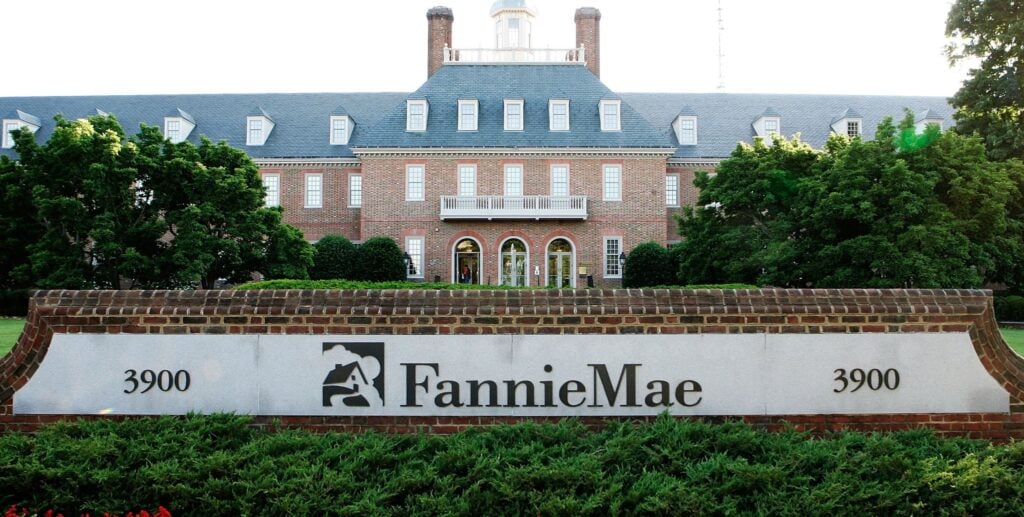
Fannie Mae and Freddie Mac have announced a shift in how they evaluate borrower creditworthiness. The government-sponsored enterprises will now allow rent and utility payment histories to influence credit scores, a move that opens doors for rent-to-own transactions and helps tenants build credit through housing payments.
This policy change addresses a long-standing gap in credit scoring. Millions of renters make on-time housing payments every month but receive no credit benefit because traditional models ignore rental history. Fannie Mae and Freddie Mac's move changes that calculus.
For landlords running rent-to-own programs, the impact is direct. Tenants who have maintained spotless rental payment records can now demonstrate creditworthiness without relying solely on traditional credit lines or employment history. This expands the pool of viable buyers. Landlords marketing rent-to-own deals gain leverage when tenants can show lenders that years of timely rent payments prove their reliability.
Tenants benefit most obviously. Those locked out of conventional financing due to thin credit files or past credit issues now have a pathway forward. Building credit through rent payments makes the transition to traditional mortgage ownership more attainable. A tenant with five years of documented on-time rent payments holds concrete evidence of payment discipline.
Sellers in rent-to-own arrangements gain confidence that their transition buyers possess genuine payment capacity. The data replaces guesswork about whether tenants will actually qualify for the final mortgage.
However, challenges remain. Lenders must have access to verified rental payment data, which not all property managers track systematically. Older properties managed casually without formal records won't generate usable credit signals. The benefit flows primarily to tenants in formal rental arrangements with documented payment histories.
For conventional buyers, this change has minimal impact. Those with established credit scores already carry sufficient credit history. The policy targets underserved populations: