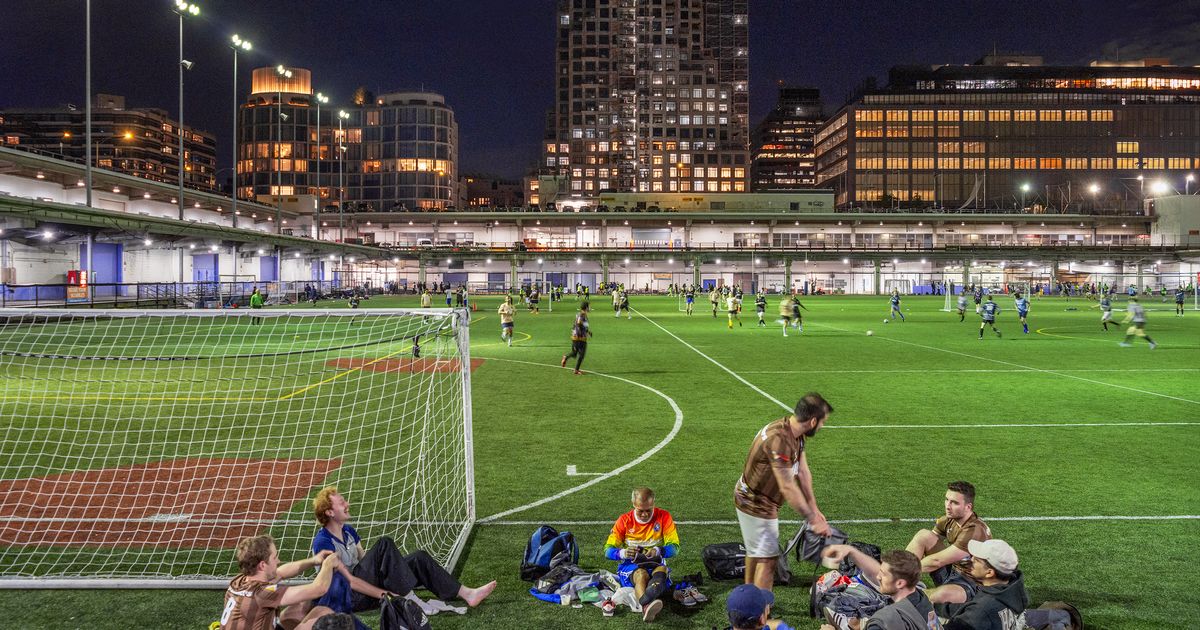
Recreational soccer leagues across the country face a critical shortage of available fields, forcing organizers to scramble for space and driving up costs for players and families.
The squeeze stems from multiple pressures. Municipal budgets have tightened, leading cities to reduce maintenance on public fields or convert them to other uses. Simultaneously, demand for youth sports has grown, while private developers prioritize commercial projects over recreational facilities. Many leagues now compete for limited slots at schools, parks, and private venues, with booking fees climbing sharply.
In major metros, the problem intensifies. Leagues report waiting lists months long and field rental costs doubling over the past five years. Some organizations pay $200 to $500 per hour for synthetic turf, making participation fees unaffordable for lower-income families. Smaller towns face different challenges: aging infrastructure and minimal investment mean fields deteriorate faster than they can be repaired.
This shortage creates ripple effects across the real estate and community landscape. Property owners with undeveloped land increasingly rent it as temporary fields, creating a patchwork of informal solutions. Schools face pressure to monetize athletic facilities to offset budget cuts, making recreational access harder for non-students. Developers building residential projects now face demands from cities to include sports facilities, raising construction costs.
The impact splits along economic lines. Well-funded suburban leagues secure prime slots at well-maintained facilities. Urban and rural leagues, serving lower-income communities, rotate through marginal spaces or relocate programs entirely. Some fold.
Cities and nonprofits are exploring solutions. A few municipalities have invested in new turf fields or partnered with private operators to expand access. Community land trusts in some areas preserve dedicated sports space. But funding remains scarce, and the trend favors privatization over public investment.
For families, the cost and inconvenience of finding a field now factors into whether children play organized soccer at all