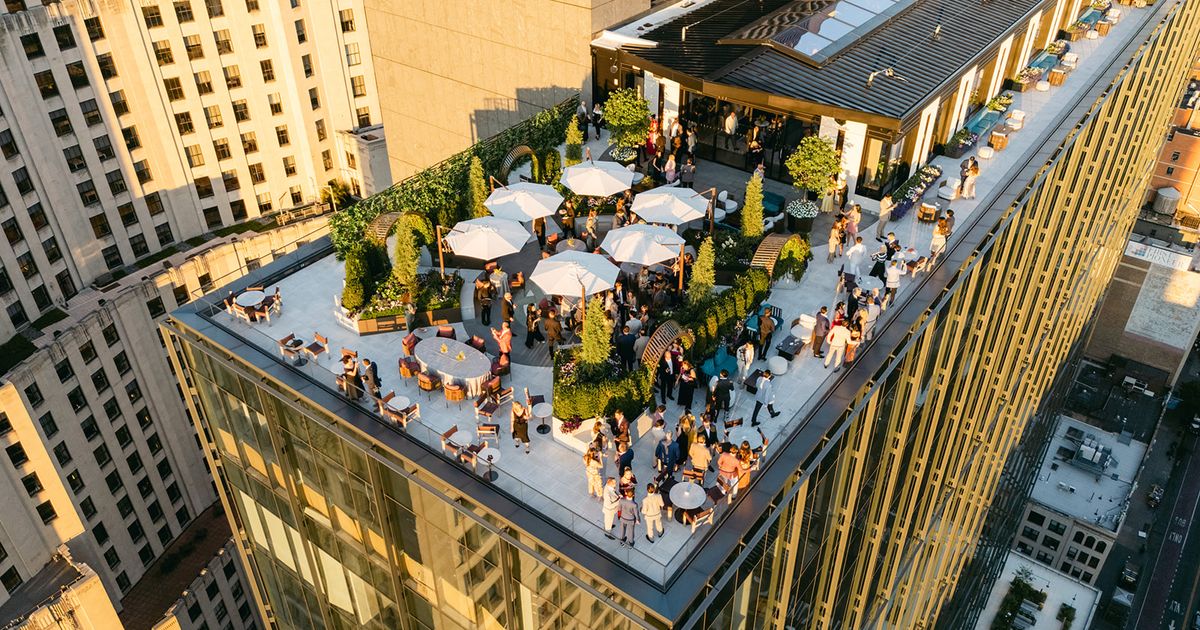
# Office Buildings Transform Empty Floors Into High-End Wedding Venues
Developers and property owners with vacant office space are capitalizing on the shift away from traditional wedding venues. Luxury wedding markets in major metros now see skyscrapers and office towers repositioned as event spaces, filling floors left empty after the pandemic-driven remote work shift.
This trend addresses two problems simultaneously. Office landlords struggle with elevated vacancy rates as companies maintain hybrid schedules. Wedding planners and couples seek distinctive, upscale backdrops for celebrations. High-rise venues offer floor-to-ceiling windows, soaring ceilings, and unobstructed city views that command premium pricing.
The economics work for property owners. Converting underutilized floors into rental event spaces requires less capital investment than full office redevelopment. A single wedding booking can generate $5,000 to $25,000 in venue rental revenue, depending on the city and building prestige. Some developers hire professional event management companies to operate the spaces, reducing their operational burden while maintaining steady income streams.
For couples, these venues offer modern elegance without the limitations of traditional ballrooms. Exposed brick, polished concrete, and industrial architecture appeal to luxury markets seeking Instagram-worthy backdrops. Couples pay premium prices, but gain flexibility in floor layouts and the cachet of a branded tower location.
The shift does create challenges. Building codes, parking, and tenant restrictions require careful navigation. Some office buildings lack dedicated service elevators, creating logistics headaches for catering and setup. Insurance and liability fall on property owners, increasing operational complexity.
This repositioning won't solve the broader office vacancy crisis. Most skyscrapers need ongoing leasing to tenants to remain financially viable long-term. Weekend wedding events generate supplemental revenue but cannot replace five-day-a-week corporate occupancy rates.
Still, adaptive reuse of office space