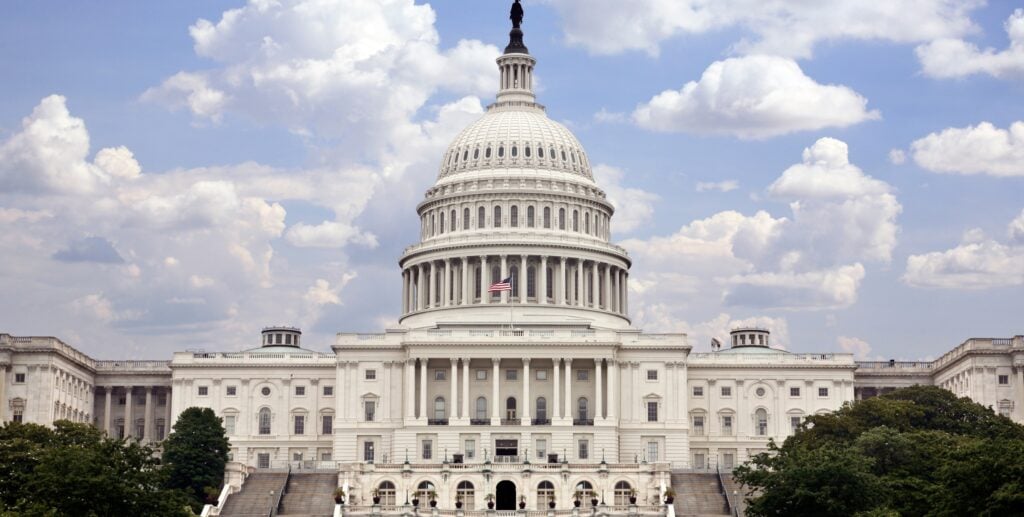
A proposed bill would create tax-free savings accounts specifically for homeownership, offering a new avenue for prospective buyers and real estate investors to accumulate down payment funds without tax penalties.
The mechanism works similarly to existing retirement accounts. Savers would contribute to a dedicated homeownership savings account and watch those funds grow tax-free. Withdrawals used for down payments, closing costs, or other home purchase expenses would avoid federal income tax. This structure differs from standard savings accounts where investment gains and interest face annual taxation.
For first-time homebuyers, the benefit is straightforward. A buyer saving $50,000 for a down payment could keep more of that money if tax-free growth applies. Someone in the 24% federal tax bracket saves roughly $12,000 in taxes on that sum if earnings accumulate tax-free.
Real estate investors gain similar advantages when buying rental properties or flipping homes. Lower tax drag on capital accumulation means faster portfolio expansion. An investor building $100,000 for a second property purchase retains more purchasing power under this framework.
The bill has drawn bipartisan interest, suggesting genuine legislative momentum. Lawmakers from both parties recognize housing affordability as a shared concern, though for different political reasons. Republicans see it as removing government barriers to wealth building. Democrats view it as expanding homeownership access for lower-income households.
For sellers and landlords, broader homeownership drives demand. More qualified buyers with larger down payments reduce default risk and strengthen transaction velocity. Landlords benefit from a healthier rental pipeline when fewer renters are blocked from ownership by down payment hurdles.
Current homeowners may see mixed effects. In competitive markets, more liquid buyer capital could accelerate price appreciation. In stagnant markets, it simply increases inventory turnover without major price impacts.
Contribution limits remain unclear from the proposal as described. Policymakers must decide whether