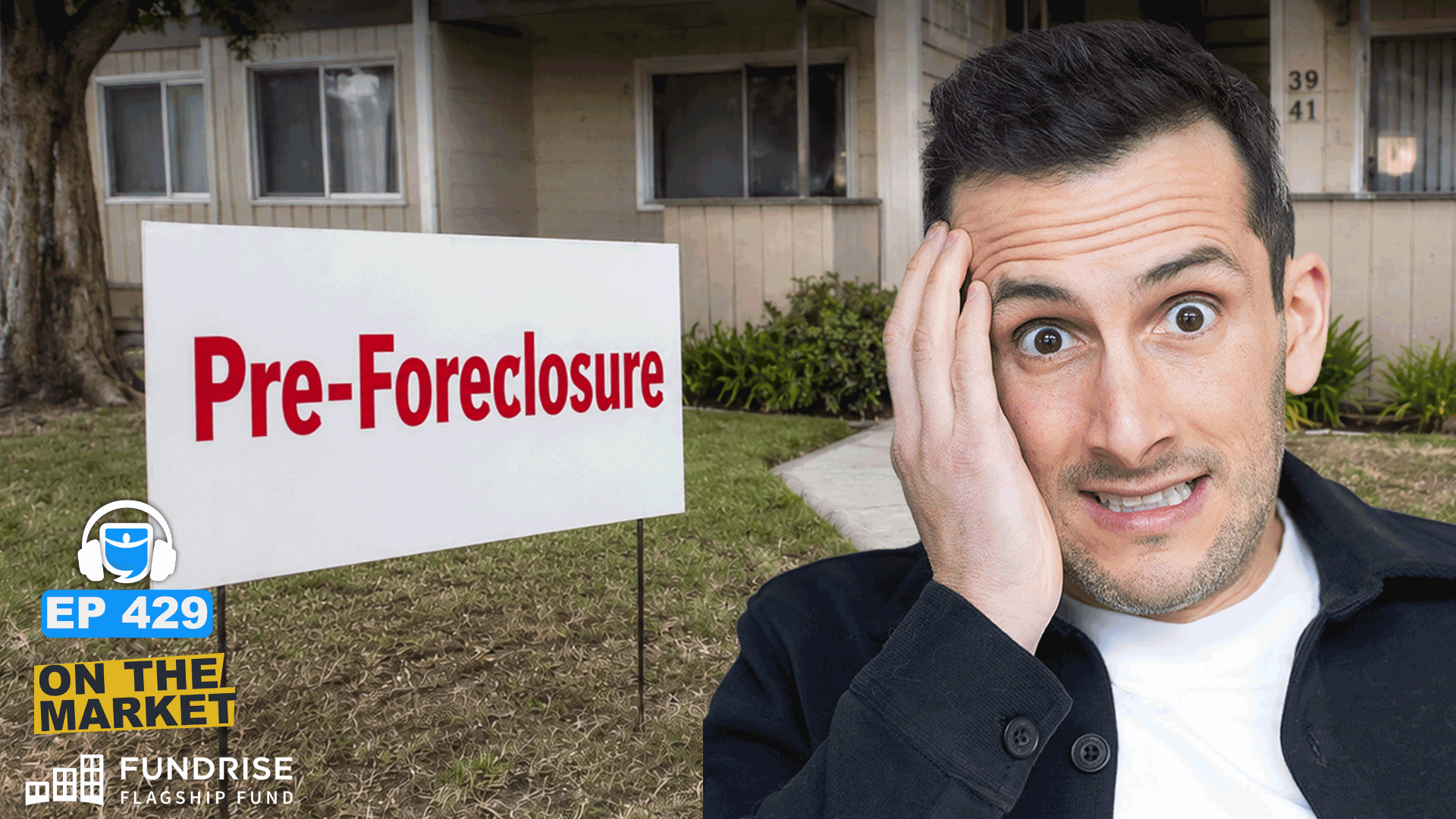
# The Ultimate "Stress Test" for the Housing Market: Do We Pass in 2026?
The housing market faces a critical stress test in 2026. Recession indicators, mortgage rate volatility, and inventory constraints will determine whether the sector survives intact or fractures under pressure.
Every major downturn leaves predictable warning signs. The 2008 crisis showed lenders what happens when underwriting standards collapse. The 2020 pandemic boom revealed how quickly rates can swing supply and demand. Now, 2026 presents a new test: can the market absorb higher rates, tighter lending standards, and job market softness without triggering forced sales or mass defaults.
For buyers, the coming test matters directly. If stress indicators worsen, rates could fall or loan approvals could tighten further, making qualification harder even if borrowing costs drop. Properties in marginal markets face downward pressure. Cash buyers gain leverage.
For sellers, timing becomes urgent. Markets that have held value through 2024 and 2025 may weaken in 2026 if economic headwinds accelerate. Listing while demand remains solid beats waiting for a recession-driven buyer's market.
Landlords confront rent growth limits. If unemployment rises during the stress test, tenant quality declines and defaults increase. Properties in secondary markets prove riskier than core urban centers with job diversity.
For investors, 2026 separates the prepared from the caught off-guard. Those holding cash or access to flexible capital can snap up distressed deals. Over-leveraged portfolios face refinancing walls and margin calls.
The core question isn't whether stress exists. It's whether current fundamentals, lending standards, and buyer equity absorb the shock or break under it. Unlike 2008, household debt levels remain lower and down payments higher. That cushion matters. But rate sensitivity