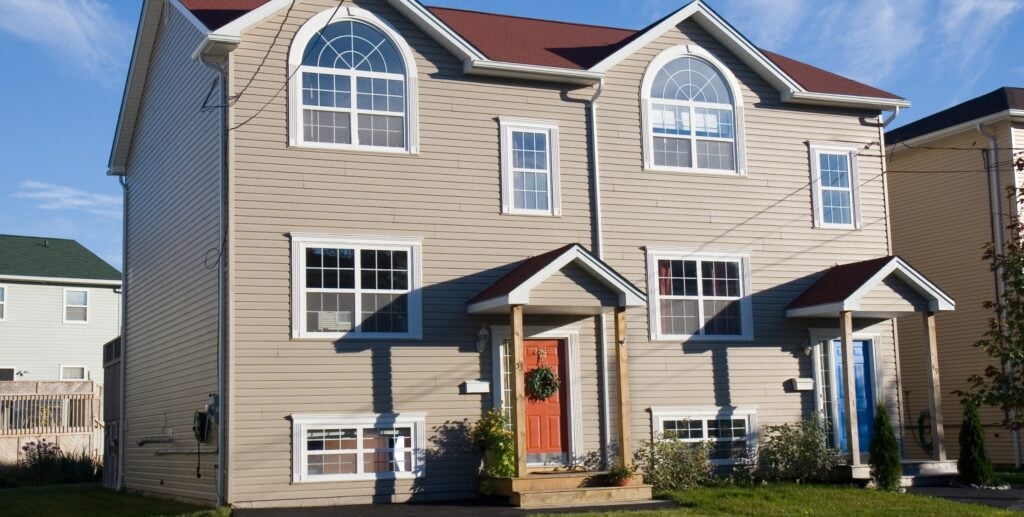
Amanda entered the St. Louis market with modest ambitions: acquire a duplex for her rental portfolio. Instead, she pivoted to purchasing an eight-unit apartment building, a strategic shift that underscores how investor flexibility and market opportunity converge in secondary markets like St. Louis.
The shift from duplex to eight-unit building reflects St. Louis's attractive fundamentals for rental investors. Acquisition costs remain reasonable compared to coastal markets, yet tenant demand supports stable cash flow. An eight-unit property generates more diversified income than a two-unit building while remaining manageable for a hands-on operator.
Amanda's decision likely hinged on purchase price, cap rate, and financing terms. Eight-unit buildings frequently qualify for Fannie Mae or Freddie Mac multifamily loans with favorable rates and longer amortization periods. A duplex, by contrast, requires conventional residential financing, often at higher rates. An eight-unit property can also attract institutional-grade debt from local or regional lenders aggressive on secondary market deals.
For sellers, Amanda's move signals that St. Louis multi-unit inventory attracts serious capital. Class B and C apartment buildings priced right move quickly when yield-hungry investors recognize the opportunity.
For landlords already operating in St. Louis, Amanda's strategy highlights scale economics. Managing eight units versus two units requires minimal operational overhead increase. Maintenance vendor relationships, property management systems, and tenant screening protocols apply across both scenarios. The per-unit profitability of an eight-unit building surpasses that of a duplex.
For tenants, larger institutional owners sometimes enforce stricter lease terms than individual duplex owners. However, eight-unit buildings typically receive more consistent maintenance investment since landlords operate on thinner margins and require reliable systems.
The BiggerPockets case study underscores a broader trend: investors scouting secondary markets for duplexes often encounter better