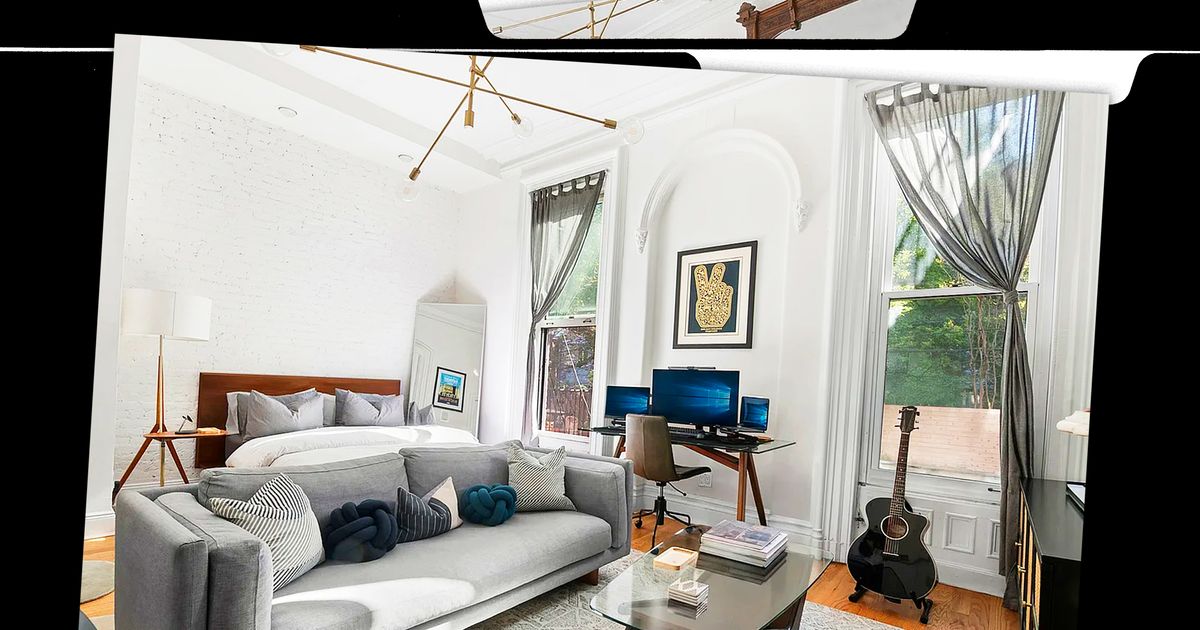
Brooklyn's Midwood neighborhood is heating up as buyers and renters shift focus toward more affordable corners of the borough. The uptick reflects a broader pattern. Outer neighborhoods with transit access and lower entry prices are drawing households priced out of Williamsburg, Park Slope, and Brooklyn Heights.
Midwood sits on the Q train line, connecting directly to Midtown Manhattan in roughly 45 minutes. The neighborhood offers tree-lined streets, single-family homes, and the proximity to Prospect Park that appeals to families. Rental prices here run 15 to 25 percent below comparable apartments in central Brooklyn, while purchase prices remain substantially lower than neighborhoods one mile north.
Recent listings show one-bedroom apartments leasing for $2,200 to $2,600 monthly, with two-bedrooms commanding $3,100 to $3,700. Condo purchases start around $600,000 for older walk-ups and climb to $900,000 for renovated units. Townhouses with outdoor space trade between $1.2 million and $1.8 million, depending on condition and lot size.
For buyers, Midwood represents value in a market where other Brooklyn neighborhoods have seen 8 to 12 percent annual appreciation. Sellers benefit from steady demand and fewer competing listings. Tenants find breathing room on rent. Landlords report stable occupancy and rising rents on lease renewal, though less explosive growth than trendier areas.
The neighborhood attracts young families, remote workers, and investors chasing yield over prestige. Schools in the district score solidly. Restaurants and retail continue improving without the markup premium of hipster-adjacent zones.
Midwood's appeal hinges on relativity. It remains affordable by New York City standards while offering legitimate neighborhood character and infrastructure. As more people discover the area's value proposition, the