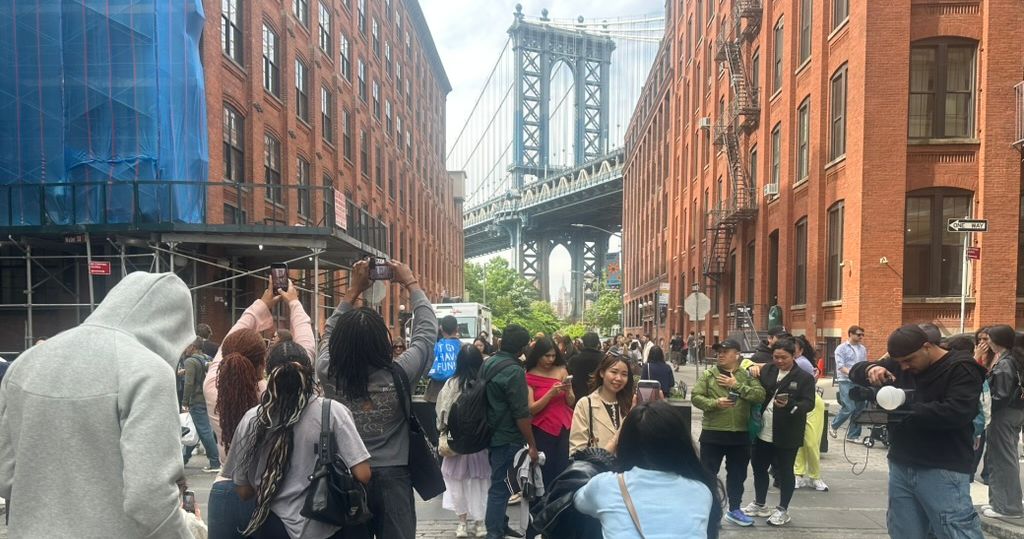
Brooklyn's Dumbo neighborhood faces a tourism crisis that has divided residents and prompted unconventional resistance tactics. The waterfront district, known for its Instagram-famous architecture and street art, now draws thousands of daily visitors who clog narrow cobblestone streets and overwhelm local infrastructure.
Frustrated residents have begun taking matters into their own hands. Some have removed or vandalized popular photo spots, altered street signage, and discouraged tourists through direct confrontation. One resident painted over a famous mural. Others have documented excessive foot traffic and shared findings with local officials, pushing for stricter regulations on tour groups and commercial photography permits.
The tension reflects a broader Brooklyn real estate paradox. Property values in Dumbo soared as the neighborhood became trendy, enriching existing homeowners and investors. Yet those same price increases displaced longtime residents and small businesses, replacing them with chains, luxury apartments, and tourist-oriented shops. Current residents see visitor surges destroying the very character that made their properties valuable.
City officials remain largely passive. No comprehensive tourism management plan exists for Dumbo. The Department of Transportation has not implemented meaningful pedestrian controls. Building owners profit from rooftop photo experiences and event rentals, creating financial incentives to attract crowds.
Real estate developers continue converting warehouses into condos at premium prices, betting on Dumbo's continued appeal. Landlords raise rents on commercial spaces, pricing out independent retailers. Meanwhile, renter households face displacement as tourist housing and Airbnb listings proliferate.
For buyers seeking Dumbo property, the neighborhood offers strong appreciation potential but comes with quality-of-life trade-offs. Sellers benefit from heightened demand but confront neighborhoods transformed by crowds. Landlords profit from tourism but face community backlash. Tenants and small business operators face the steepest costs, squeezed by rising rents and deteriorating street conditions.