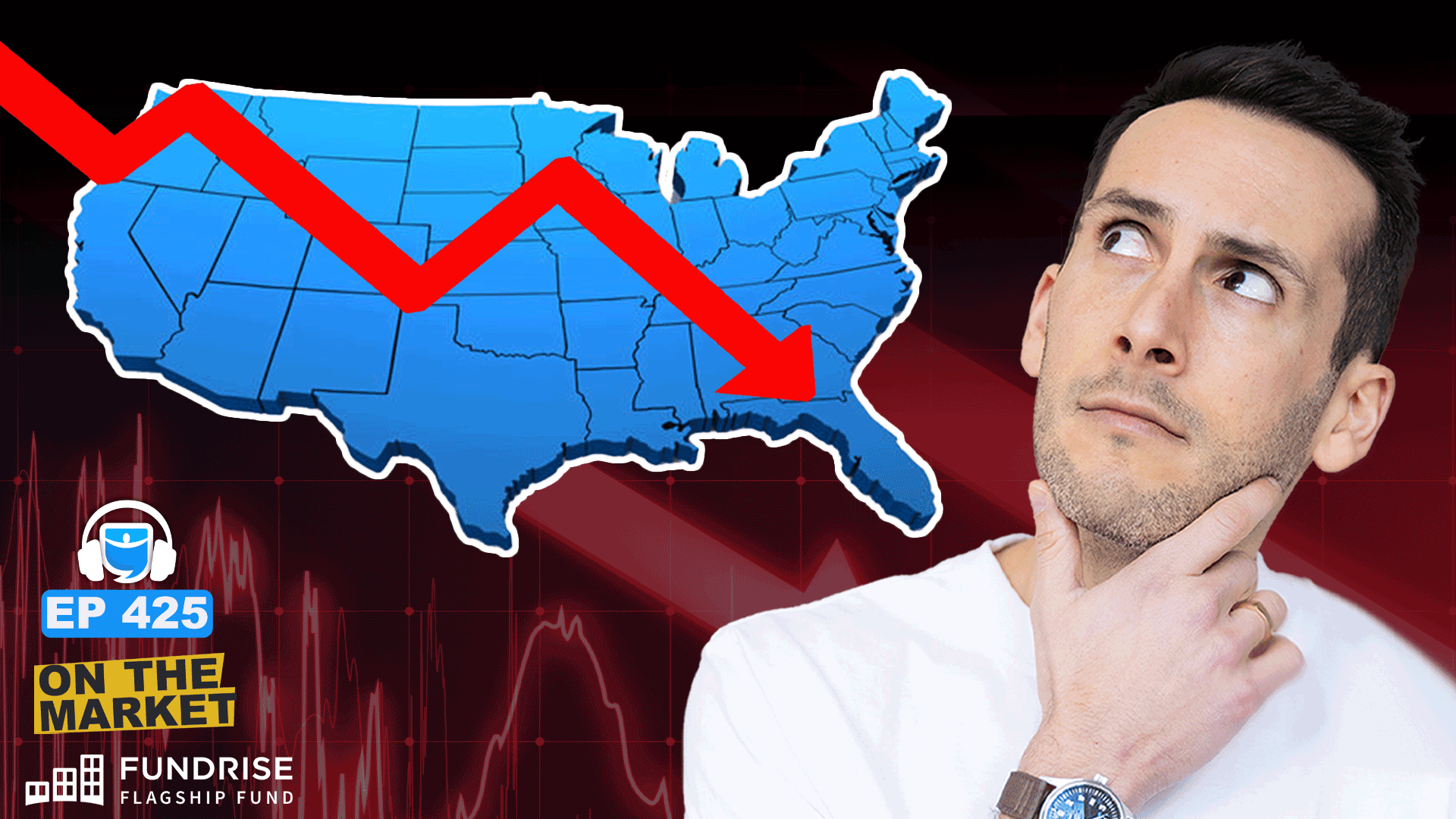
The National Association of Realtors, Zillow, and Fannie Mae have all revised their 2026 housing market predictions downward, signaling a slowdown ahead.
NAR slashed its home sales forecast, expecting fewer transactions next year than previously anticipated. Zillow adjusted its home price outlook lower, reflecting weaker demand and reduced buyer activity. Fannie Mae narrowed its mortgage rate expectations, predicting rates will remain elevated through 2026.
These revisions matter across the board. Buyers face a tougher negotiating position but may gain leverage on pricing as competition softens. Sellers should prepare for slower transaction speeds and potentially lower offers, particularly in markets that saw rapid appreciation. Landlords benefit from sustained rental demand as homeownership becomes less affordable, though acquisition costs for investment properties may tighten. Tenants could see rent growth moderate if supply increases.
The downgrades reflect persistent affordability challenges. High mortgage rates combined with elevated home prices lock out many first-time buyers. Supply constraints in hot markets have eased slightly, but demand destruction from rate-sensitive buyers limits sales velocity.
Lenders face volume pressures. Purchase mortgage originations decline when sales drop, forcing refinance dependence. Portfolio management becomes critical as rate environment creates fewer refinancing opportunities than the 2023-2024 boom.
Developers adjust strategies. New construction projects slow in secondary markets where buyer demand weakens fastest. Urban infill and multifamily development remain relatively resilient due to rental demand tailwinds.
The forecast revisions suggest 2026 stabilizes rather than surges. Markets won't crash, but growth stalls. This environment favors disciplined buyers with cash reserves who can outbid competition without financing contingencies, patient sellers who can wait for motivated buyers, and investors targeting rental conversions over flips.
Regional variation matters. Sun Belt markets