# Interior Design Trends 2026: What Homeowners Are Actually Buying
Homeowners are investing heavily in design choices that reflect comfort, sustainability, and personalization. The 2026 market shows clear preferences shaping how buyers approach property improvements and renovation decisions.
Warm, earthy tones dominate interior choices. Terracotta, sage green, and warm neutrals replace the cool grays that dominated the early 2020s. These colors appeal to buyers seeking calming, grounded spaces. Sellers using these palettes report faster showings and stronger offer responses.
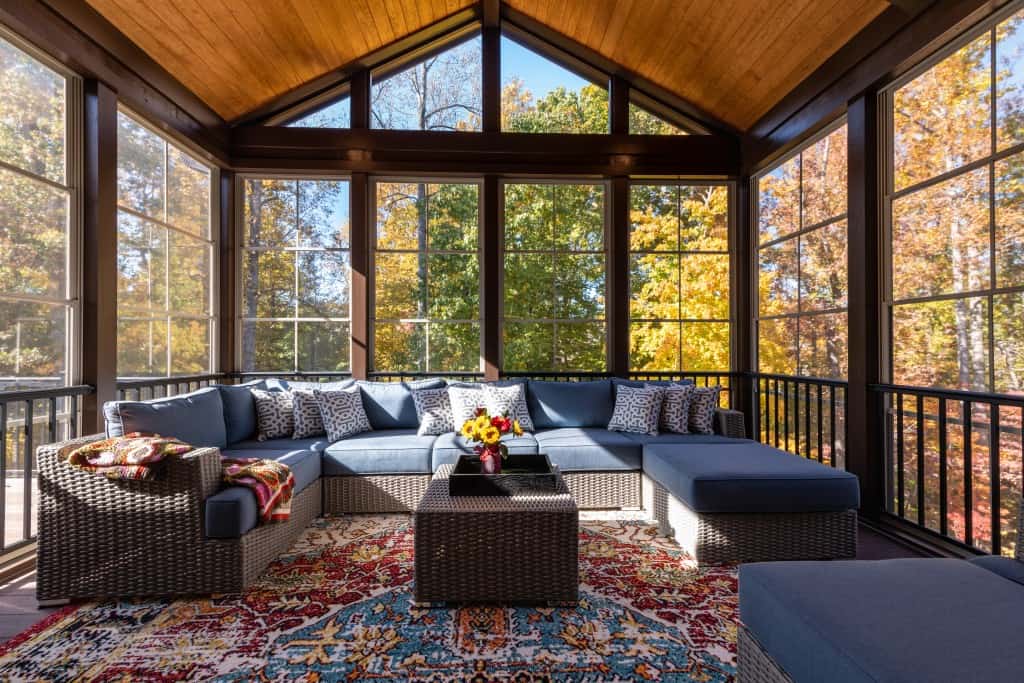
Natural materials command premium positioning. Wood, stone, and organic textiles feature prominently in high-performing listings. Homeowners prioritize authentic materials over synthetics, viewing them as long-term investments that enhance resale value. Kitchen and bathroom renovations now emphasize natural stone countertops and solid wood cabinetry.
Multifunctional spaces drive design decisions. Buyers demand flexibility in floor plans, pushing designers and homeowners to create zones within open-concept areas. Flexible furniture, modular shelving, and convertible spaces appeal to remote workers and families managing diverse needs. Properties featuring dedicated home office areas with design integration sell faster.
Vintage and secondhand styling gains traction. Homeowners mix curated vintage pieces with modern furnishings, reducing costs while creating distinctive interiors. This trend particularly appeals to younger buyers seeking character without disposable fast furniture. Estate sales and vintage markets see increased traffic from homebuyers hunting specific pieces.
Biophilic design elements expand beyond plants. Water features, natural light maximization, and living plant walls appear in higher-end properties. Buyers view these elements as wellness investments. Homes featuring indoor plant installations and window treatments optimizing natural light command 3-5% premiums in competitive markets.
Smart home integration blends seamlessly with design