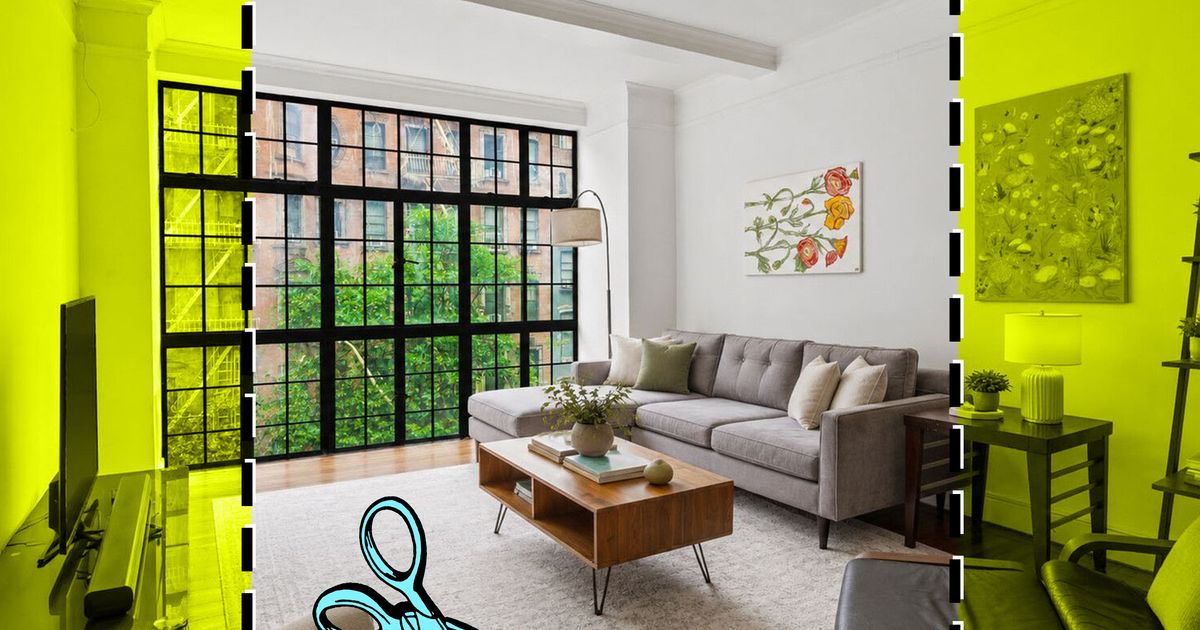
A one-bedroom apartment in Manhattan's Turtle Bay neighborhood is priced at $799,000. The listing features a wall of casement windows, a sought-after architectural detail that floods the space with natural light and offers views of the surrounding blocks.
Turtle Bay, located on the East Side between Grand Central Terminal and the United Nations, commands premium prices due to its proximity to transportation hubs and midtown employment centers. This one-bedroom sits within the typical range for the neighborhood, where comparable units with solid finishes and natural light typically hover between $750,000 and $900,000.
The casement windows represent a major selling point. These operable windows allow for ventilation control and create an airy feel that appeals to buyers seeking character and livability in a compact footprint. One-bedrooms in Turtle Bay often trade off square footage for location and light quality.
Buyers considering this property should weigh the trade-offs inherent to one-bedroom living in this part of Manhattan. The neighborhood offers excellent transit access via the 4, 5, and 6 subway lines, proximity to dining and retail along Lexington Avenue, and quiet residential blocks east of the main corridor. However, the unit's size limits entertaining space and storage.
The article also mentions a two-bedroom in a renovated brownstone in Bed-Stuy, Brooklyn's most sought-after neighborhood by young professionals and families. This comparison highlights the price differential between Manhattan neighborhoods and Brooklyn's increasingly competitive market. A renovated two-bedroom brownstone in Bed-Stuy typically ranges from $700,000 to $1.2 million depending on condition and exact location.
For sellers in Turtle Bay, the current market rewards apartments with distinct architectural features and abundant light. For renters considering homeownership, these prices reflect the continuing premium placed on Manhattan locations despite Brooklyn's rise as an alternative