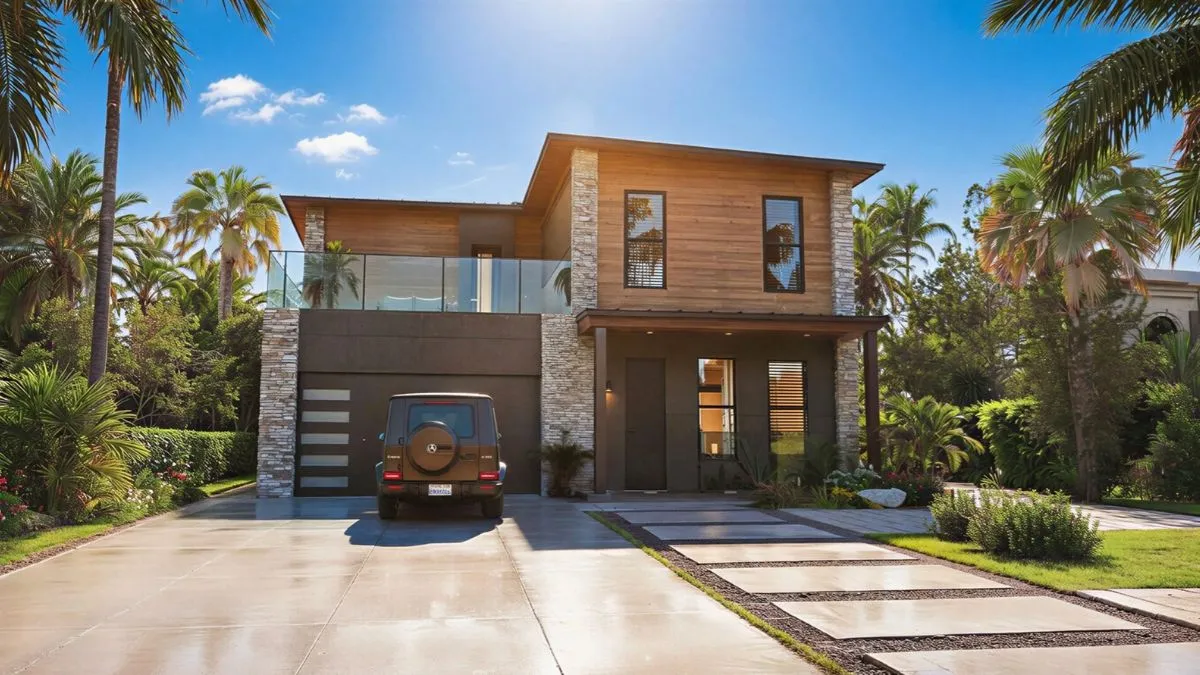
Boxabl, the modular housing manufacturer behind the popular Casita accessory dwelling unit, is launching Phase 2 of its product line using a kit-of-parts approach. The company has developed three standardized modules that combine into 20-plus housing configurations, including single-family homes, townhomes, and multifamily buildings.
A beta configurator already shows the range of possibilities. Buyers and developers can mix and match modules to customize layouts without starting from scratch each time. This modular strategy cuts design time and manufacturing complexity compared to bespoke builds.
The expansion matters for several audiences. For homeowners, Boxabl moves beyond the Casita into bigger projects. Single-family modular homes could fill supply gaps in mid-market markets where construction costs have spiraled. Townhome configurations appeal to developers seeking density without wood-frame construction timelines.
For multifamily landlords, this opens a new path. Rather than traditional framing and drywall, they can deploy Boxabl modules to add rental stock faster. Manufacturing controls costs better than site-built crews and weather delays.
Developers benefit from faster permitting timelines. Modules are factory-inspected, which often eases local approvals compared to traditional construction. The kit-of-parts model also reduces waste and labor variance on job sites.
The real constraint remains regulatory. Availability hinges on local zoning sign-offs and state-level modular housing regulations. Boxabl must clear jurisdiction by jurisdiction. Manufacturing scale is the other hurdle. The company needs production capacity to support broad rollout without 12-month lead times.
For investors in housing affordability and construction tech, Phase 2 signals Boxabl's ambition beyond niche ADU markets. If the company solves permitting and scaling, the modular platform could reshape how mid-density