# Where's Waymo?
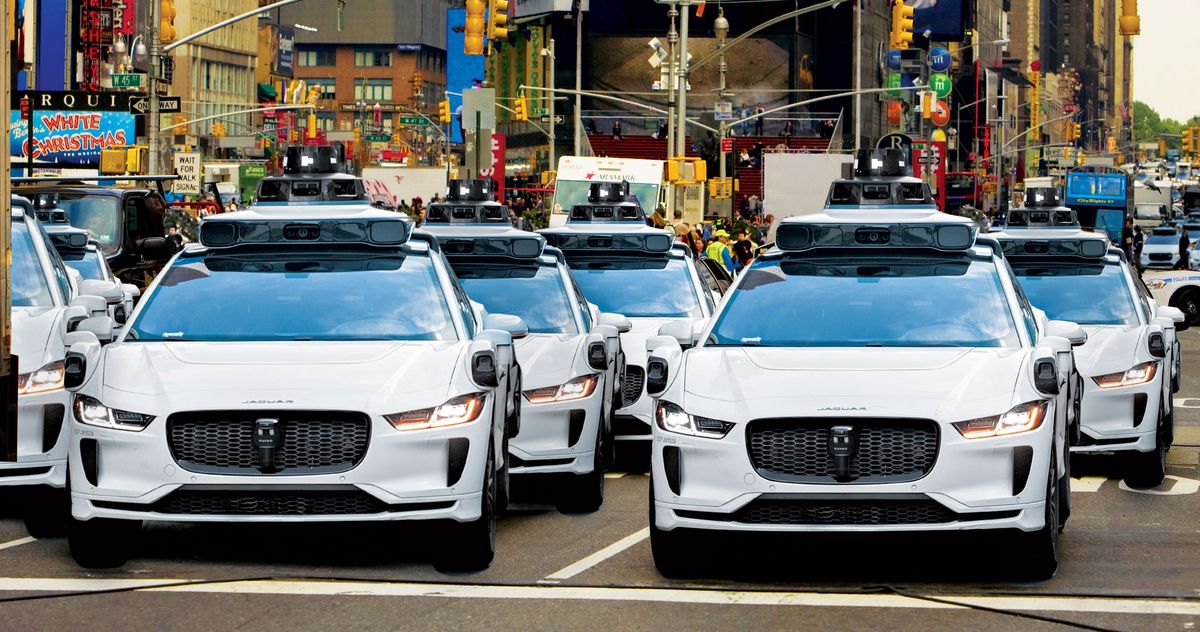
San Francisco halted Waymo's autonomous vehicle testing following safety incidents and public complaints about driverless cars blocking traffic, interfering with emergency vehicles, and creating congestion in key neighborhoods. The pause creates leverage for the city to impose stricter operational requirements before the company resumes service.
Waymo has operated in San Francisco since 2020, expanding its robotaxi fleet and testing routes across multiple districts. The company's presence generated mixed reactions. Residents welcomed reduced emissions and potential transportation alternatives. Others reported frustration with vehicles stopping unexpectedly, blocking lanes, and failing to navigate complex intersections efficiently.
The testing halt matters for real estate stakeholders. Property owners and landlords in transit-dependent neighborhoods expected driverless vehicles to reshape commute patterns and potentially increase foot traffic to nearby businesses. Delays in autonomous vehicle deployment postpone those commercial shifts.
For renters and homebuyers, the pause affects neighborhood desirability calculations. Some buyers sought locations near planned robotaxi hubs, betting on reduced parking needs and better mobility. Sellers in tech-forward districts marketed properties emphasizing autonomous vehicle access. Extended timelines now create uncertainty around these value propositions.
The city's negotiating position strengthens during the pause. San Francisco can demand dedicated lanes, emergency vehicle protocols, traffic management systems, and financial liability guarantees. Regulators can require Waymo to prove safety improvements before expansion.
Waymo's pause also opens questions about competing autonomous vehicle companies testing in San Francisco. Cruise, owned by General Motors, faced separate regulatory scrutiny. The competitive landscape remains fragmented, with no clear timeline for broad autonomous vehicle adoption.
For investors and developers, this signals that autonomous vehicle integration into urban planning remains years away. Mixed-use developments betting heavily on reduced parking requirements now face redesign pressures. Traditional parking structures retain value longer than anticipated.
The pause