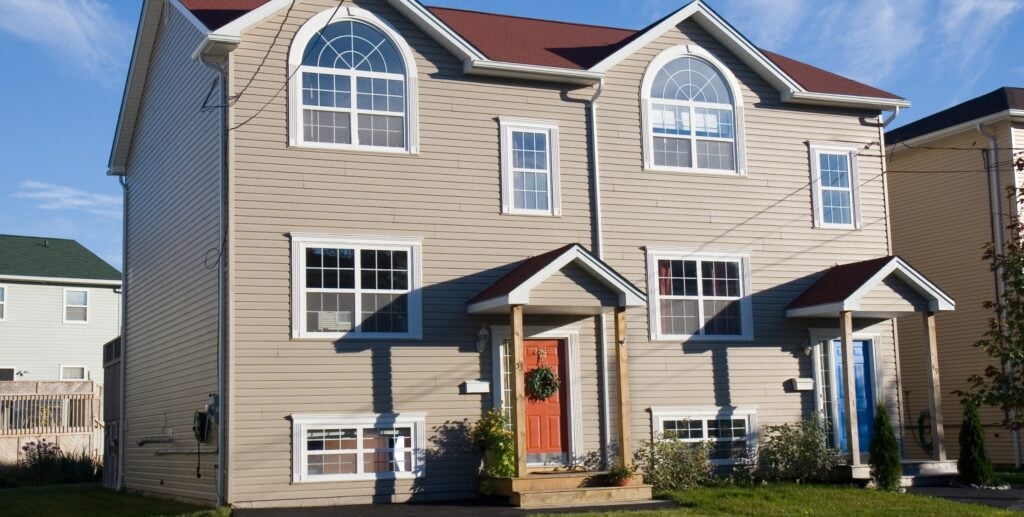
Amanda arrived in St. Louis hunting for a duplex. She departed with an eight-unit apartment building instead.
The investor's expansion happened through a combination of market opportunity and financing flexibility. St. Louis's affordable entry price points compared to coastal markets made scaling up feasible. A two-unit property often costs less than $200,000 in many St. Louis neighborhoods, while the same capital in coastal metros buys nothing. That price advantage lets investors move quickly from single acquisitions to portfolio building.
Amanda's trajectory mirrors a pattern among newer real estate investors. The Midwest's rental yields outpace purchase prices. A duplex might rent for $1,200 per unit monthly in south city neighborhoods, generating healthy cash flow even after accounting for vacancy and maintenance. That performance encouraged her to expand.
The eight-unit deal likely came through either a pocket listing or off-market sourcing. Wholesalers and local agents in St. Louis actively connect investors with small multifamily buildings that never hit MLS. The property probably needed moderate rehab work. Investor-friendly markets like St. Louis have abundant value-add inventory that institutional buyers ignore.
For St. Louis landlords and sellers, this trend matters. More investor capital chasing multifamily properties raises acquisition prices incrementally. Owner-occupant competition for duplexes and triplexes intensifies. Local renters face the consequence. Institutional and semi-professional operators often raise rents faster than mom-and-pop landlords.
For prospective buyers in St. Louis, Amanda's story cuts both ways. Capital deployed by out-of-state investors dries up inventory for owner-occupants. But the influx of cash also stabilizes neighborhoods through property improvements and maintenance. Neighborhoods attracting investor capital typically see appreciation.
Amanda's pivot from duplex to eight units demonstrates how Midwest markets remain accessible for wealth building.