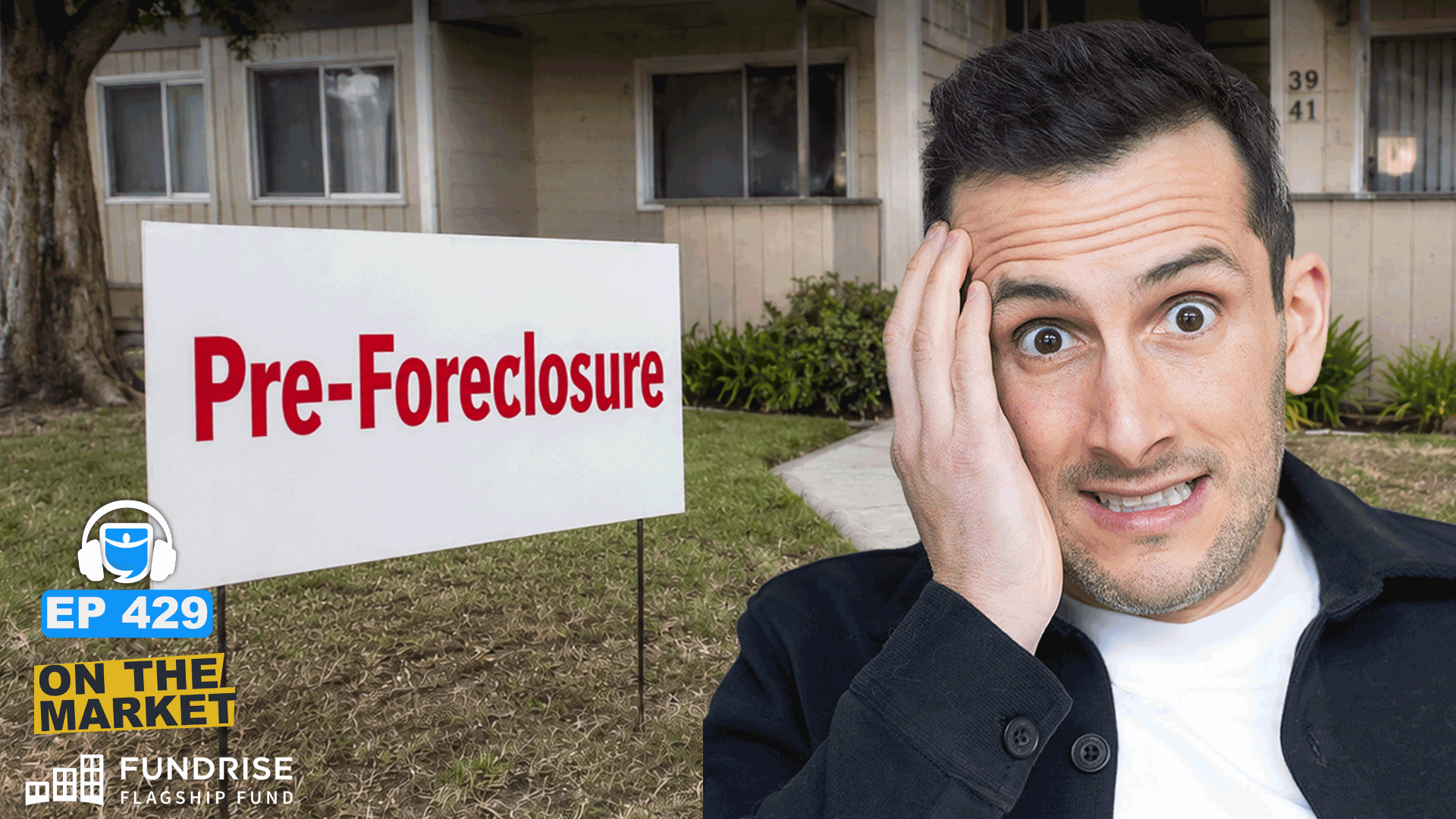
# The Housing Market's 2026 Stress Test
The real estate market faces a critical stress test in 2026 as economic headwinds converge. Rising interest rates, tightening lending standards, and weakening buyer demand create a perfect storm for residential real estate.
For buyers, 2026 presents a mixed picture. Mortgage rates remain elevated, making monthly payments expensive relative to 2020-2021 levels. But prices may soften as sellers face longer days-on-market and reduced competition. Buyers willing to wait gain negotiating power.
Sellers confront the toughest conditions since 2022. Inventory continues climbing while buyer traffic declines. Properties that sold quickly in 2021 now sit for months. Price cuts become standard. Homeowners planning to sell should prepare for lower offers and longer holding periods.
Landlords must adapt to shifting tenant dynamics. Renters squeezed by high mortgage rates and rent increases seek better deals. Vacancy rates tick upward in some markets. Smart landlords cut rents strategically rather than chase tenants who can't pay. Property values may plateau or decline if cap rates compress further.
Tenants get a break for the first time since 2020. Rent growth slows. Landlords offer concessions. Move-in costs drop. The leverage shifts from landlord to renter after years of one-sided negotiations.
The stress test works like this. When unemployment rises, wage growth stalls, or credit tightens beyond current levels, millions of overleveraged homeowners face refinancing walls. Investors holding properties with thin margins exit. Developers shelve projects mid-construction. Lenders tighten further, creating a feedback loop.
Whether the market "passes" depends on economic resilience. A soft landing keeps employment stable and prevents cascading defaults. A recession triggers the full