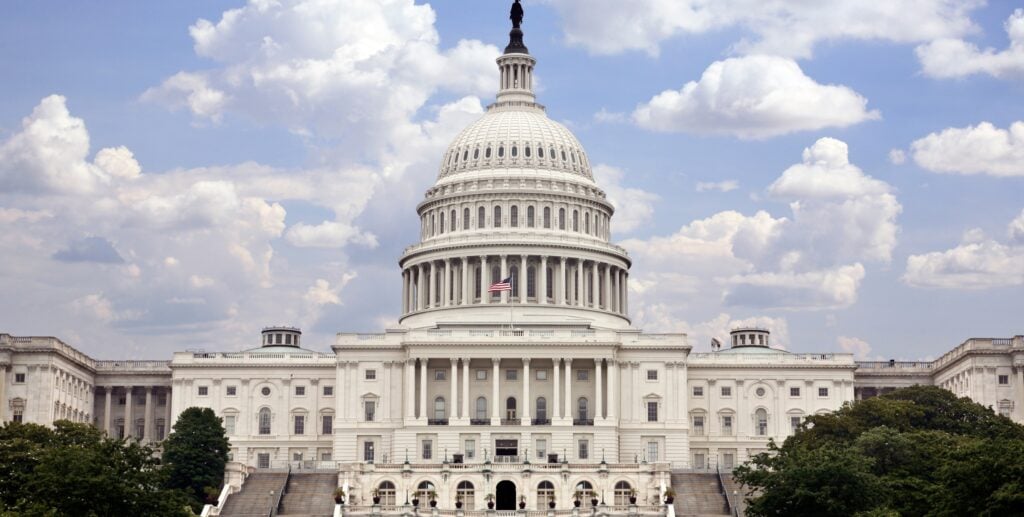
A bipartisan bill now circulating in Congress would create tax-free savings accounts specifically for homeownership, potentially reshaping how first-time buyers and investors build down payments.
The proposal operates similarly to existing retirement savings vehicles. Savers would contribute after-tax dollars to a dedicated account, then withdraw funds tax-free when purchasing a primary residence or investment property. This structure removes the capital gains tax burden that typically hits real estate investors, making wealth accumulation faster for those building portfolios.
For first-time homebuyers, the mechanism offers immediate relief. Someone saving $10,000 annually for five years avoids paying taxes on investment gains within the account. In hot markets like Austin, Miami, or Denver, where down payments routinely exceed $60,000 to $100,000, tax-free compounding accelerates timeline to homeownership.
Investors see sharper benefits. Real estate portfolios often generate substantial returns. A tax-deferred account allows capital to reinvest without immediate tax drag, enabling faster accumulation for additional property purchases. For landlords building multi-unit portfolios, this removes friction from the savings phase.
Renters currently priced out of ownership get a concrete tool. Rather than watching savings erode through inflation and taxes, they build equity faster in a dedicated account. Young professionals in expensive metros like San Francisco or New York finally have a pathway to accumulate deposits without tax penalty.
The bill faces questions around funding limits and income thresholds. Congress typically caps annual contributions in such accounts, potentially limiting benefit for high-income investors. Rules around withdrawal restrictions and property type eligibility remain unclear.
Lenders may adjust underwriting. Banks could view applicants with tax-free homeownership accounts more favorably, since savings demonstrate intent and discipline. Some may even offer preferential rates to borrowers using these accounts.
The political coalition supporting this proposal spans both