# A Theory of World Cup Traffic
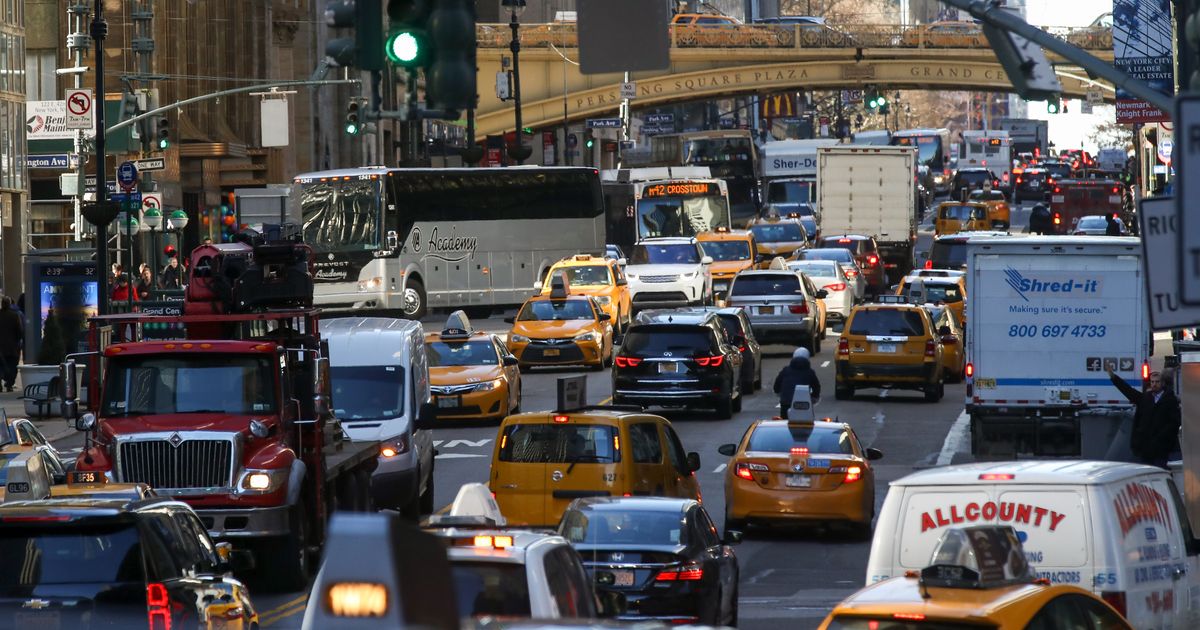
Banning vehicle traffic from midtown during World Cup matches offers a glimpse into how cities might manage congestion in the future. The strategy treats major sporting events as planning experiments, temporarily closing streets to cars and trucks while public transit absorbs demand.
Cities hosting World Cup tournaments have tested this approach with measurable results. Removing private vehicles from central business districts during high-attendance events reduces gridlock, cuts emissions, and frees street space for pedestrians. Transit agencies report improved bus and train performance when competing with fewer cars for road space.
The model works because World Cup matches concentrate movement patterns. Fans travel during predictable windows. Transit systems can surge capacity with extra trains and buses. Temporary restrictions prevent the usual highway inefficiency where single-occupant vehicles consume disproportionate street space.
Real estate implications matter here. Neighborhoods with strong transit access near stadiums see rental demand spikes during tournaments. Developers and landlords benefit from event-driven foot traffic and temporary occupancy surges. Property owners along transit corridors command premiums when infrastructure is proven to handle volume.
The broader lesson applies to permanent urban design. Cities contemplating permanent car restrictions in commercial cores cite World Cup traffic patterns as proof of concept. If midtown functions smoothly without private vehicles for two weeks, planners argue it functions better without them year-round.
This matters for future development. Real estate projects near major transit hubs become more valuable if cities commit to traffic reduction policies. Developers increasingly pitch car-free ground floors and transit-oriented mixed-use buildings. Landlords with properties near subway stations benefit from policies that make driving downtown costly or impossible.
Street vendors and retailers also gain. Sidewalk space freed from parked cars and traffic becomes usable commercial real estate. Temporary World Cup street closures demonstrate restaurant patios and market stalls can thrive without automobile access.