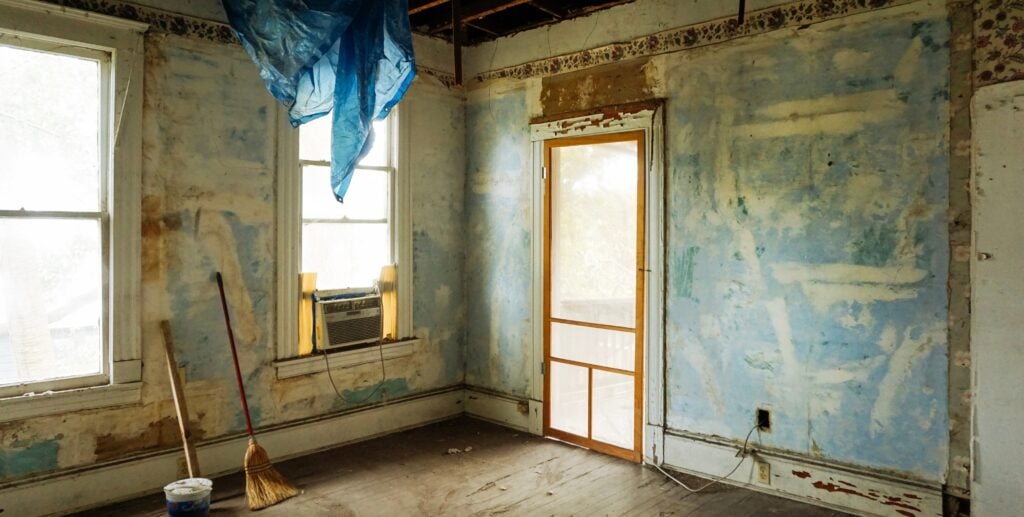
Nathalie Germain has cracked a counterintuitive strategy in real estate investing. She buys distressed properties without walking through them first, a practice that terrifies most landlords and flips operators who rely on detailed inspections before committing capital.
Her approach challenges the conventional wisdom that you need eyes on every square foot before closing. Instead, Germain underwrites distressed deals using data points that don't require physical access. She leans on public records, comparable sales in the neighborhood, tax assessor reports, and aerial imagery to assess structural viability and after-repair value.
This method works best for properties where sellers refuse interior access until a firm offer lands. Foreclosures, probate sales, and bank-owned homes often fall into this category. Germain builds contingencies into her offers—inspection periods, repair allowances, and conservative repair estimates. She prices her offers to account for unknown costs. If the interior surprises her after inspection, she already budgeted for it.
For landlords and distressed property sellers, Germain's playbook unlocks deals that sit frozen in the market. Properties nobody tours rarely sell. Her willingness to bid blind creates liquidity.
For other investors, this strategy carries real risk. Unknown structural issues, foundation problems, or code violations can torpedo returns. Germain mitigates this by dealing only in markets where she has deep knowledge of typical repair costs and by walking away from deals where the numbers don't leave enough margin for error.
The mechanics matter here. Her underwriting process relies on hard data instead of gut feel. She knows what similar properties in that ZIP code cost to renovate. She knows the exit strategy before she offers. She prices in a buffer for surprises.
This appeals to disciplined investors with cash reserves and experience evaluating neighborhoods. It does not work for novices. Buy-and-hold landlords