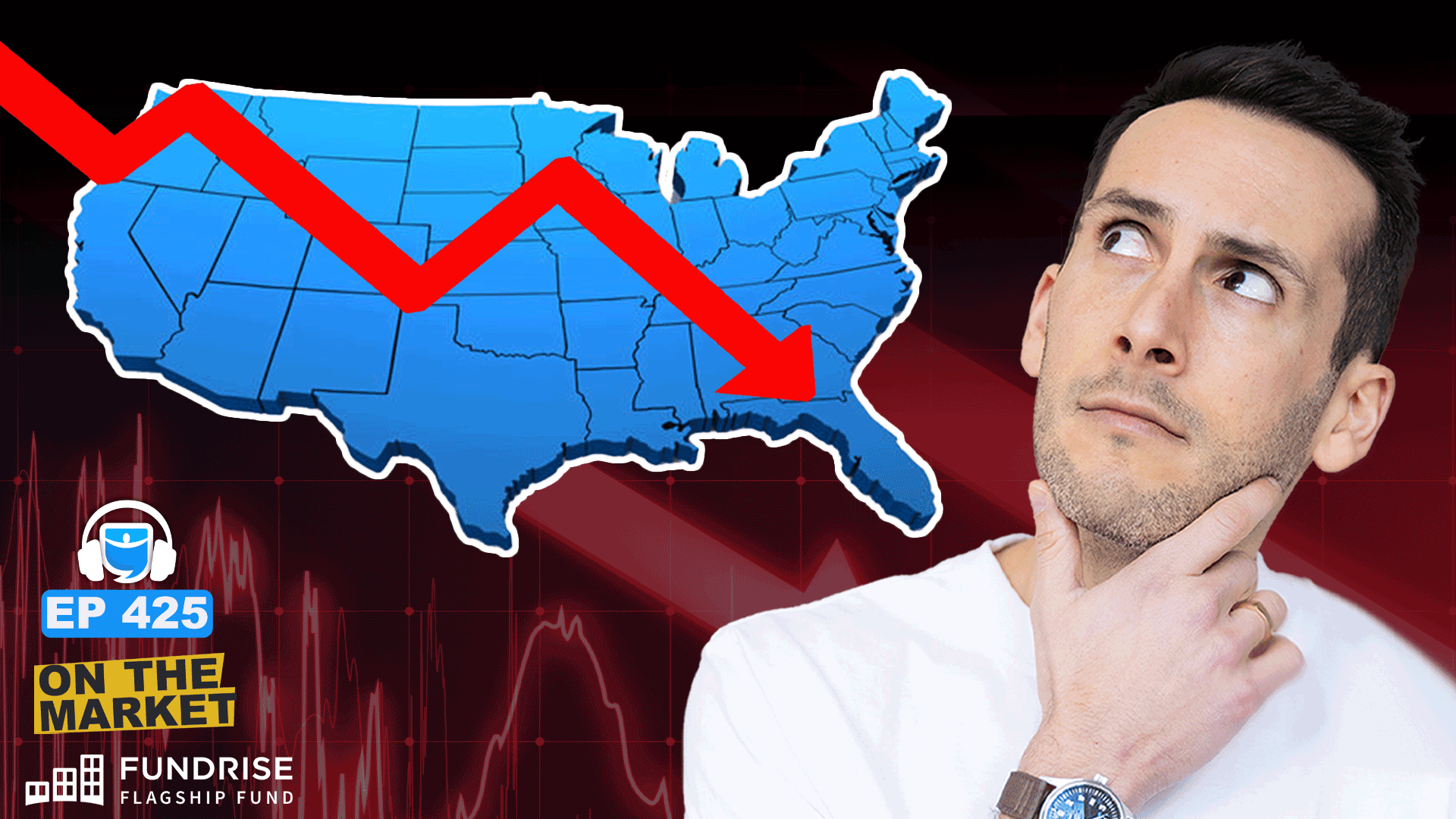
The nation's biggest real estate forecasters have sharply revised their 2026 predictions, signaling a cooling market ahead.
The National Association of Realtors downgraded its home sales outlook, while Zillow adjusted its price growth forecast lower. Fannie Mae issued new mortgage rate projections that will shape borrowing costs throughout the year.
For buyers, lower price growth forecasts mean less urgency to rush into purchases. The softening outlook suggests negotiating power may improve as competition eases. Sellers face headwinds. A downturn in expected sales volume typically means fewer qualified buyers and longer time on market, forcing price reductions in many markets.
Landlords and investors should monitor the mortgage rate guidance carefully. Higher rates dampen buyer demand, potentially pushing more people toward rentals. This supports the rental market thesis for property owners, though it also means tighter refinancing options for those holding adjustable mortgages.
The forecaster consensus shift reflects economic cooling. Rising unemployment, persistent inflation in pockets of the economy, and tighter lending standards all pressure the housing sector. These aren't speculative takes. NAR, Zillow, and Fannie Mae base predictions on hard data: existing inventory levels, mortgage application volumes, and consumer confidence metrics.
The specific numbers matter. NAR's downgrade signals fewer transactions in 2026 than previously expected. Zillow's price revision typically follows regional analysis, meaning some markets will hold value better than others. Fannie Mae's rate band will anchor lending offers across the country.
For active market participants, the takeaway is clear. Buyers who locked in lower rates now hold an advantage. Those considering 2026 purchases should watch for stabilization signals rather than chasing falling prices. Sellers in strong markets should list sooner rather than later before inventory swells further.
The forecasts don't predict a crash.