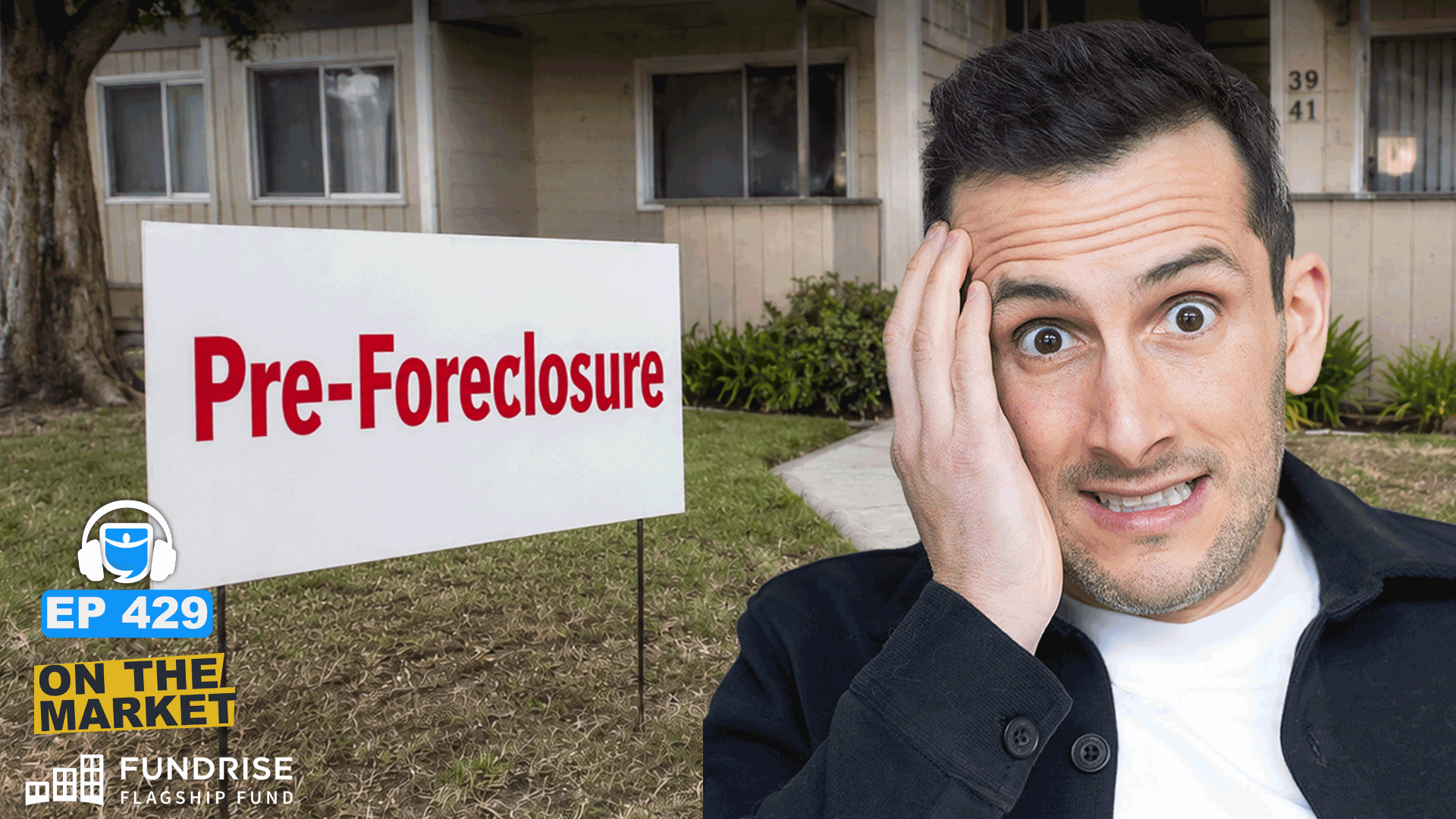
The housing market faces a critical stress test in 2026 as economic headwinds converge. Rising interest rates, inflation pressures, and tightening lending standards will test whether current valuations hold or crack under strain.
The 2026 timeline matters because mortgage rates remain elevated compared to the pandemic lows of 2020-2021. Homebuyers face monthly payments 40-50% higher than they did five years ago, even on identical properties. This pricing pressure hits hardest in high-cost markets where median home prices exceed $600,000 to $800,000. In California, Florida, and the Northeast, affordability indices show first-time buyers have largely exited the market.
Lenders are already tightening. Banks now require higher down payments, stricter income documentation, and better credit scores than they did in 2024. Jumbo loans above $766,550 carry rates 50-100 basis points higher than conforming loans. This two-tiered market punishes buyers in expensive regions while favoring cash purchasers and institutional investors.
For sellers, the 2026 test arrives as inventory remains constrained. Homeowners locked into 3-4% mortgages show no urgency to sell. This dynamic keeps supply tight, supporting prices. But if rates fall sharply or unemployment rises, lock-in effects reverse fast. Markets that saw 20-30% appreciation since 2019 face downside risk.
Landlords watch rental markets closely. Rents have peaked in many coastal cities while rising faster in secondary markets like Austin, Phoenix, and Charlotte. Rent growth of 2-3% annually cannot support property valuations built on 5-7% annual appreciation assumptions. Cap rates compress dangerously when debt service covers rents with thin margins.
Tenants benefit if rates finally decline. Lower borrow