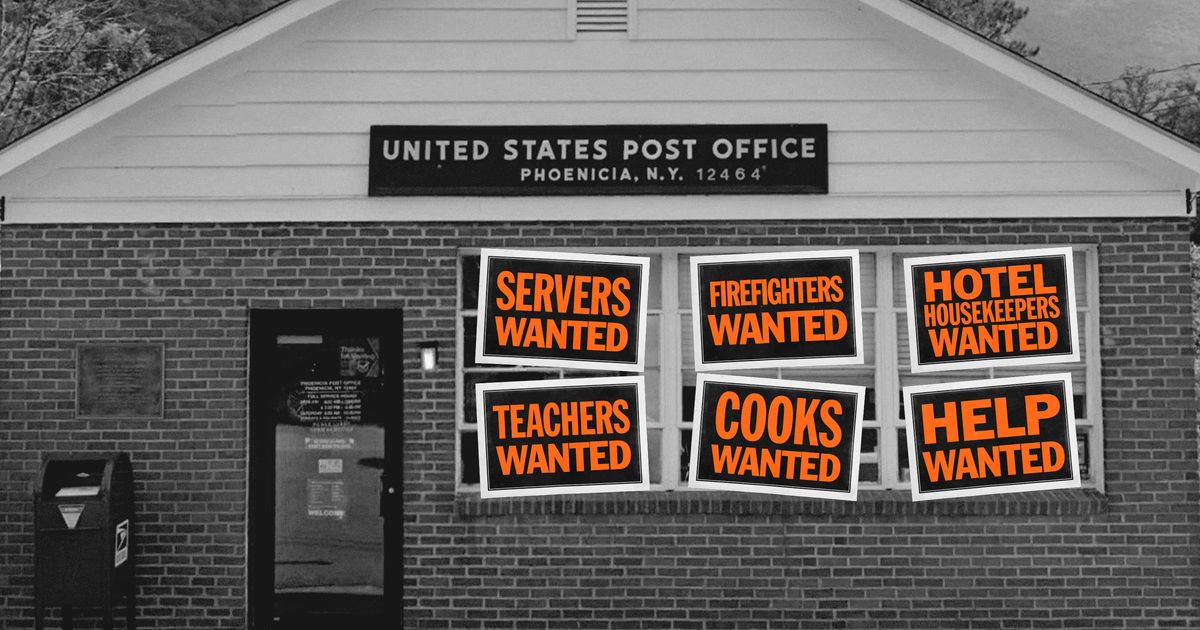
Upstate New York fire departments face an unprecedented staffing crisis as full-time firefighters retire faster than departments can replace them. Rising housing costs have pushed many working firefighters out of communities they serve, while second-home owners who populate towns seasonally provide no local workforce.
The Catskills region exemplifies this problem. Towns from Kingston to Woodstock struggle to maintain adequate coverage as younger workers cannot afford local property prices. A full-time firefighter earning $45,000 to $55,000 annually cannot compete with investors and Manhattan residents bidding up home prices. Recruitment efforts fail when recruits face six-figure mortgages on entry-level salaries.
Volunteer departments that once filled gaps have collapsed. Younger residents commute to better-paying jobs downstate rather than commit to unpaid fire service. Seasonal residents who own second homes contribute taxes but not labor, leaving departments with growing budgets but shrinking personnel rosters.
The fallout affects entire communities. Response times lengthen. Insurance rates climb for properties in areas with inadequate fire coverage. Rural homeowners face higher premiums or coverage denials. Commercial development stalls when fire protection proves insufficient for new construction.
Some towns experiment with regional consolidation, sharing firefighters across county lines to spread limited resources. Others recruit retirees or offer housing subsidies to attract younger firefighters. Sullivan County proposed a regional fire service model to pool resources across multiple jurisdictions.
The economics remain brutal. Departments cannot raise salaries without tax increases voters reject. Second-home owners resist paying more for services they rarely use. Meanwhile, full-timers leave for departments in lower-cost regions or abandon the profession entirely.
This crisis extends beyond property damage risk. It reflects a broader Upstate challenge. Affordable housing for working people has vanished. Teachers, nurses, and municipal workers face identical pressures. Seasonal economies that