Home buyers in hot climates should prioritize eight specific features that directly reduce cooling costs and improve comfort. Energy-efficient air conditioning systems top the list, particularly units with high SEER ratings that lower electricity bills by 20-40% compared to older models. Cool roofs, which reflect sunlight using light-colored or reflective materials, keep attic temperatures 30-50 degrees cooler than traditional dark roofs.
Smart window treatments matter significantly. Low-emissivity windows and thermal window treatments block heat gain while maintaining natural light. External shade structures like pergolas, awnings, or shade sails reduce solar heat absorption on walls and patios before it enters the home.
Proper insulation in walls and attics prevents cooled air from escaping. Attic ventilation systems and radiant barriers work together to move hot air out before it reaches living spaces. Ceiling fans circulate cool air efficiently, allowing homeowners to set thermostats 3-5 degrees higher without sacrificing comfort.
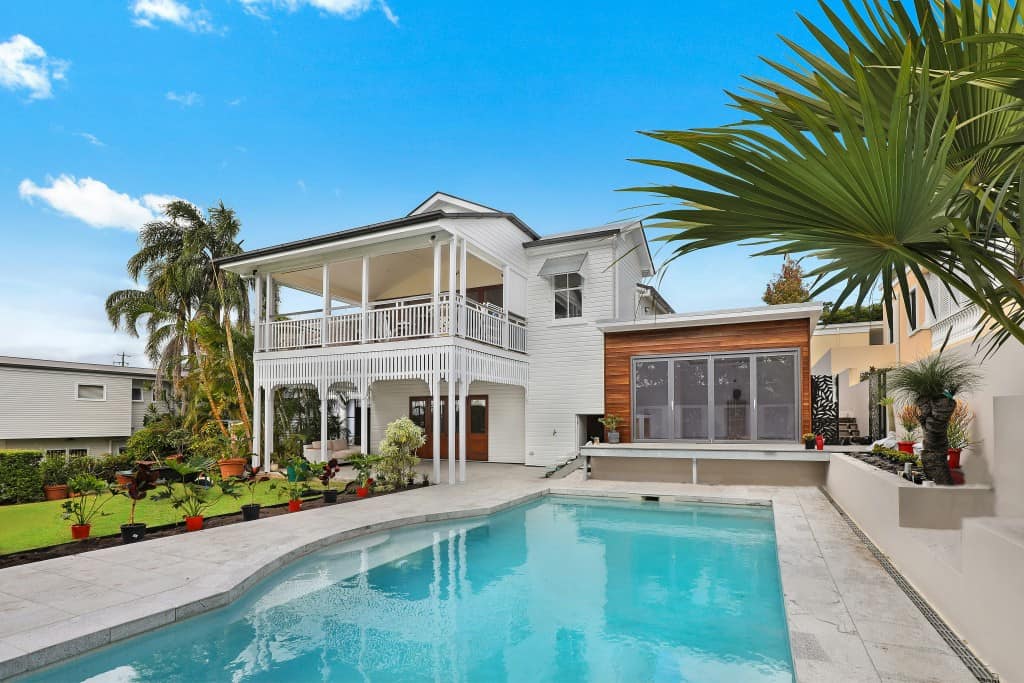
Water features including pools or fountains provide evaporative cooling. Landscaping with drought-resistant plants and shade trees reduces heat island effects around the property. Hardscape choices matter too. Light-colored concrete and permeable pavers stay cooler than dark asphalt.
For buyers, these features command premium pricing in hot markets like Phoenix, Las Vegas, Austin, and South Florida. A home with a cool roof, energy-efficient HVAC, and smart windows typically sells 5-8% above market average. Sellers highlighting these upgrades attract environmentally conscious buyers willing to pay extra for lower utility costs.
Renters benefit when landlords invest in these features. Lower cooling bills translate to reduced operating costs, which some landlords pass through as savings or justify in rent rates.
Investors analyzing hot-climate properties should factor in long-term cooling expense reductions. Homes